
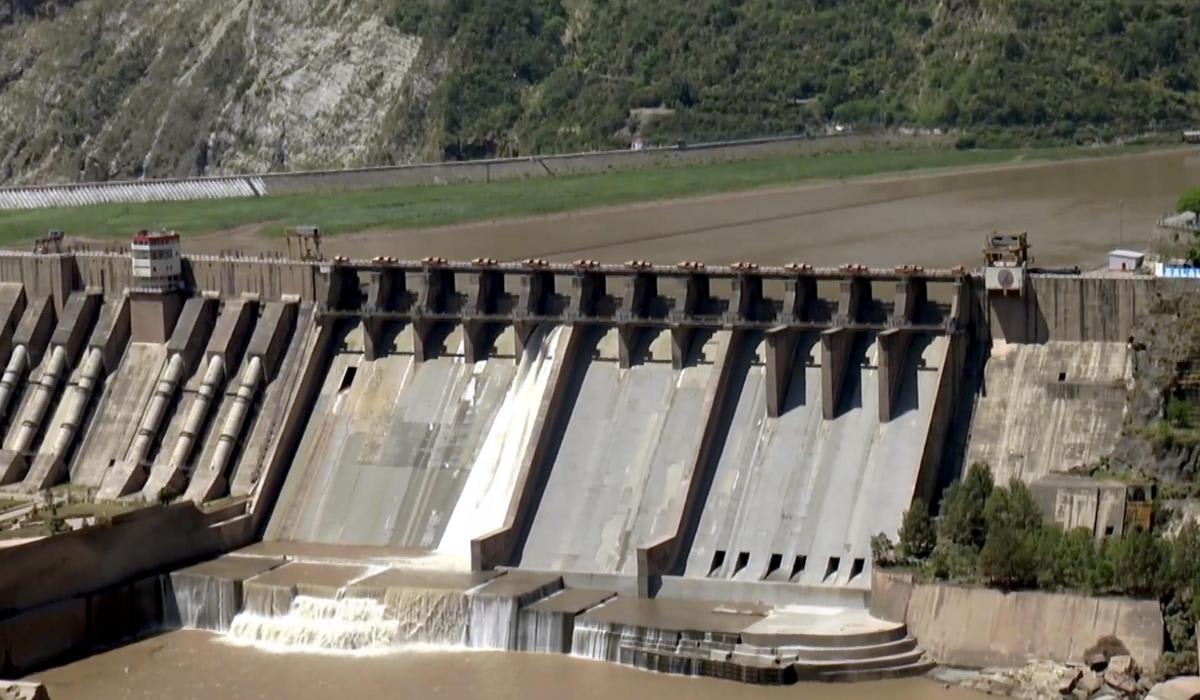
The Rashtriya Swayamsevak Sangh (RSS) has called for the diversion of water from the Indus River to benefit farmers in northern India. This proposal has reignited discussions surrounding water management and agricultural support in regions that have historically faced water scarcity.
Context of the Proposal
The Indus River, one of the longest rivers in Asia, flows through China, India, and Pakistan. It is a crucial water source for agricultural and domestic use in the regions it traverses. The RSS's proposal aims to address the challenges faced by farmers in northern India, particularly in states like Punjab and Haryana, where agriculture heavily relies on adequate water supply.
Impact on Agriculture
Farmers in northern India have been grappling with decreasing water levels and erratic rainfall patterns, leading to concerns over crop yields and food security. The RSS argues that diverting Indus water could provide a sustainable solution to improve irrigation and support agricultural productivity in these areas. This move could potentially alleviate the pressure on local water resources and improve the livelihoods of farmers.
Political Ramifications
The suggestion to divert Indus water has significant political implications. The issue of water sharing between India and Pakistan has long been contentious, especially since the Indus Waters Treaty of 1960, which governs water distribution among the three countries. Any unilateral decision by India to divert water could escalate tensions with Pakistan, which relies on the Indus River system for its agricultural needs.
Political analysts suggest that the RSS’s proposal may be a strategic move to garner support from the agricultural community ahead of upcoming elections. This demographic has traditionally been a stronghold for various political parties, making their support crucial for electoral success.
Concerns Over Water Management
While the proposal has garnered support from some farmer groups, it has also raised concerns regarding the long-term sustainability of water resources. Experts caution that diverting water could lead to ecological imbalances and affect communities downstream who depend on the river for their livelihoods.
Furthermore, critics argue that the focus should be on improving existing water management practices and investing in water conservation rather than diverting river flows. Sustainable practices, such as rainwater harvesting and improved irrigation techniques, could provide a more balanced approach to addressing agricultural needs without exacerbating geopolitical tensions.
Responses from Various Stakeholders
Responses to the RSS's proposal have been mixed. Some farmer organizations have expressed support, seeing it as a potential lifeline for struggling agricultural sectors. Conversely, environmentalists and water management experts have voiced concerns over the ecological impacts of such a diversion.
Moreover, governmental bodies will need to evaluate the feasibility of this proposal, considering both the agricultural benefits and the geopolitical ramifications. It will also be essential to engage with Pakistan to address potential concerns and foster dialogue on water-sharing agreements.
As the RSS continues to advocate for the diversion of Indus water, it remains to be seen how the Indian government will respond to this call. Policymakers will need to weigh the immediate benefits for farmers against the long-term implications for regional water security and international relations.
Comments (0)
Be the first to comment!