
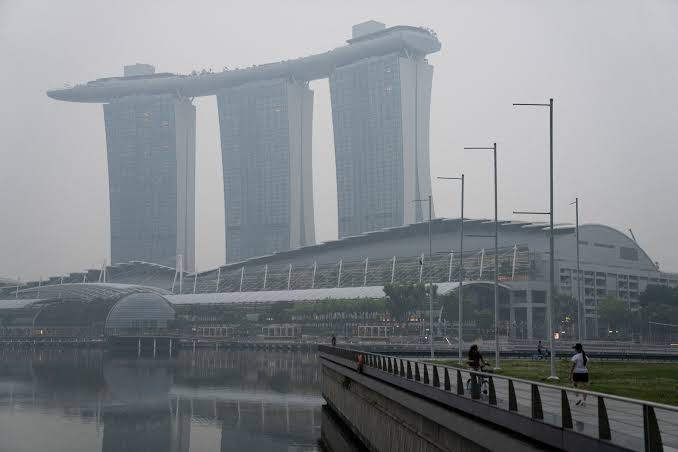
Singapore has officially identified seven companies implicated in the ongoing haze crisis linked to forest fires in Indonesia. This announcement marks a significant step in the city-state's efforts to hold accountable those responsible for the transboundary haze that has plagued the region.
Background of the Haze Issue
The haze crisis, primarily caused by the burning of forests and peatlands in Indonesia for agricultural purposes, has persisted for years, affecting air quality in neighboring countries, particularly Singapore and Malaysia. The smoke from these fires can lead to serious health issues for residents, prompting urgent calls for action from both governments and environmental organizations.
The Companies Involved
The Singaporean authorities have released the names of seven companies believed to be responsible for the haze. These companies are linked to land clearing practices that contribute to the fires. While the specific names of the companies have not been disclosed in this article, Singapore's Ministry of the Environment and Water Resources has stated that it is working closely with Indonesian authorities to address the issue.
Legal Framework and Actions Taken
Singapore has a legal framework in place to address the transboundary haze, primarily through the Transboundary Haze Pollution Act. This legislation allows the government to take action against companies whose activities contribute to the haze. Under this act, companies can face substantial fines if found guilty of causing or contributing to the haze problem.
In recent years, there has been increased pressure on the Indonesian government to enforce stricter regulations on land clearing and to hold companies accountable for their actions. Singapore has urged Indonesia to take decisive action to prevent future haze crises, emphasizing the need for environmental responsibility.
Regional and International Reactions
The announcement has garnered mixed reactions from various stakeholders. Environmental groups have praised Singapore's efforts to hold companies accountable but have also emphasized the need for comprehensive regional cooperation to tackle the root causes of the haze. They argue that without addressing the underlying issues of deforestation and land use practices, the haze crisis will persist.
On the other hand, some companies involved have expressed their commitment to sustainable practices and argued that they are being unfairly targeted. They have called for a more nuanced approach to the issue that considers the complexities of agricultural practices in Indonesia.
Impact on Public Health and Environment
The haze poses significant health risks, including respiratory issues, eye irritation, and exacerbation of pre-existing health conditions. The Singaporean government regularly monitors air quality indices and issues health advisories when levels of particulate matter rise due to the haze.
Moreover, the environmental impact of the haze extends beyond immediate health concerns. The fires contribute to significant carbon emissions, impacting climate change efforts both regionally and globally. As a result, addressing the haze crisis is not only a public health issue but also a critical environmental challenge.
Looking Forward
As Singapore continues to navigate this complex issue, it remains committed to advocacy for sustainable practices and regional cooperation. The government's stance is clear: it will not tolerate transboundary haze pollution and will take necessary actions against those responsible.
In conclusion, the identification of these seven companies is a pivotal moment in the ongoing fight against haze pollution. It underscores the importance of accountability and sustainable practices in the region’s agricultural sector. With collaborative efforts, there is hope for a future where such environmental crises can be mitigated.
Comments (0)
Be the first to comment!