
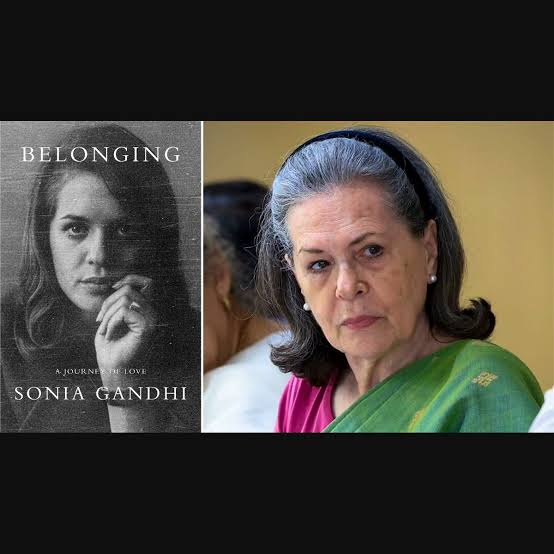
Sonia Gandhi, the long-time leader of the Indian National Congress and a pivotal figure in Indian politics, is set to release her memoir, raising expectations about revelations regarding the Nehru-Gandhi family's influence on the country. As the widow of former Prime Minister Rajiv Gandhi and daughter-in-law of Indira Gandhi, Sonia's life story is intertwined with significant political events and family tragedies that have shaped modern India.
The Nehru-Gandhi Legacy
The Nehru-Gandhi family has been a dominant force in Indian politics for decades, starting with Jawaharlal Nehru, India's first Prime Minister, and continuing through the generations. Sonia Gandhi, who was born in Italy and married Rajiv Gandhi in 1968, has managed the Congress party through various challenges, including political upheaval, electoral defeats, and internal party conflicts.
Her memoir is anticipated to provide personal insights into her upbringing, marriage, and her journey into the political realm. It may also shed light on the family's struggles, particularly after the assassination of her husband in 1991, which marked a turning point in both her personal life and her political career.
Political Challenges and Triumphs
Sonia Gandhi took over the Congress party's leadership in 1998, at a time when the party was facing significant challenges, including dwindling electoral support and internal dissent. Under her leadership, the party saw a resurgence, culminating in the 2004 general elections when the Congress-led United Progressive Alliance (UPA) formed the government.
In her memoir, readers may find reflections on the strategies employed to rebuild the party and navigate coalition politics, as well as her role in the government's initiatives, such as the National Rural Employment Guarantee Act and the Right to Information Act. Her perspective on the coalition dynamics and governance during the UPA's tenure could provide a deeper understanding of the complexities of Indian politics.
Personal Reflections and Family Dynamics
Beyond political narratives, Sonia's memoir is expected to offer a glimpse into her personal life, detailing the challenges of being part of one of the most scrutinized families in India. Her experiences as a mother to Rahul and Priyanka Gandhi—both of whom have been active in politics—will likely feature prominently. Insights into their upbringing and the pressures of public life could resonate with many readers.
Moreover, the memoir may address the interpersonal dynamics within the family, including her relationship with her mother-in-law, Indira Gandhi, and the impact of family tragedies on her political journey. These personal anecdotes could help humanize a figure often viewed through a political lens.
Impact on Indian Politics
Sonia Gandhi's tenure as a political leader has not been without controversy. Critics have accused her of being out of touch with the grassroots, while supporters laud her for her commitment to social justice and inclusive governance. Her memoir could clarify her stance on these criticisms and provide her insights into the challenges faced by political leaders in India.
The memoir's release is expected to coincide with a period of significant political change in India, as the country approaches the next general elections. This context may influence how her reflections are perceived and the impact they have on public sentiment towards the Congress party.
Public Anticipation and Reception
The announcement of Sonia Gandhi's memoir has generated considerable buzz among political analysts, historians, and the general public. Many are eager to see how she navigates her family's storied past while addressing contemporary political issues. The memoir may also attract interest from international audiences, given the global significance of India's political landscape.
The historical context of the Nehru-Gandhi family.
Insights into Sonia Gandhi's leadership style.
Personal stories that highlight the human side of politics.
Reflections on the evolution of the Congress party.
Potential commentary on contemporary political challenges.
Comments (0)
Be the first to comment!