
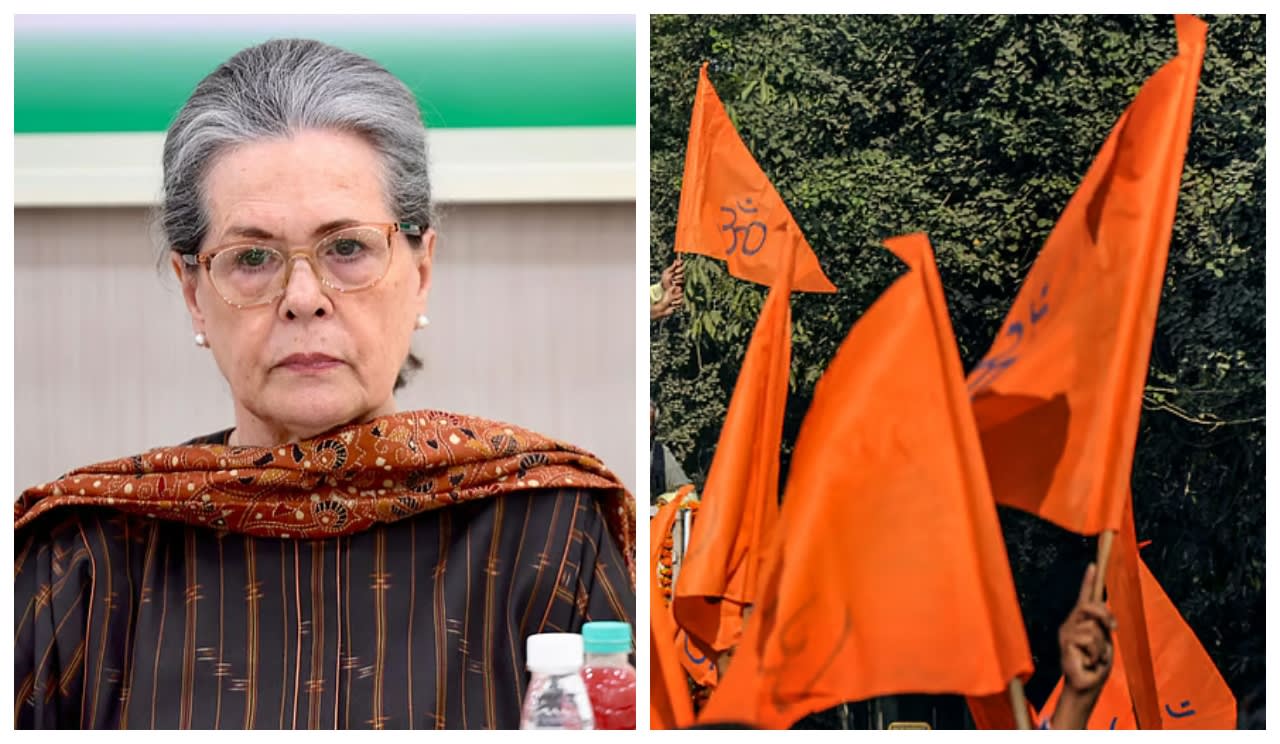
The Rashtriya Swayamsevak Sangh (RSS) has recently made headlines with its comments concerning the National Advisory Council (NAC) and the United Progressive Alliance (UPA) I, specifically referring to them as 'mindless' and associating them with Naxalism. This critique has sparked a debate on the appropriateness and implications of such rhetoric in Indian politics.
Background on RSS and Its Political Context
The RSS, a right-wing Hindu nationalist organization, is known for its influential role in shaping the policies and ideologies of the Bharatiya Janata Party (BJP). Established in 1925, the RSS aims to promote Hindu culture and values. Over the decades, it has played a crucial role in Indian politics, particularly in the context of the BJP's rise to power.
The NAC, on the other hand, was formed in 2004 under the UPA government led by the Congress party. It was established to provide policy advice and promote social welfare initiatives, focusing on the needs of marginalized communities. The UPA I government, which lasted from 2004 to 2009, is often credited with introducing several landmark legislations aimed at poverty alleviation and social justice.
Dissecting the Critique
The RSS's characterization of the NAC and UPA I as 'mindless' and linked to Naxalism is reflective of a broader narrative that the organization has adopted against its political opponents. This rhetoric appears to be aimed at discrediting the achievements of the previous government while reinforcing the RSS's ideological stand. This approach raises questions about the effectiveness of such accusations and their impact on public discourse.
By invoking terms like 'Naxal,' the RSS not only seeks to diminish the credibility of the NAC and UPA I but also attempts to align them with extremism in the eyes of the public. This strategy is not new in Indian politics, where labels are often used to evoke fear and steer public sentiment. However, such tactics may backfire by alienating certain voter demographics who may view these remarks as hyperbolic or disconnected from reality.
The Implications of Such Rhetoric
Labeling political opponents with derogatory terms can have significant repercussions. For one, it risks polarizing the electorate and detracting from substantive policy discussions. In a democracy, it is essential to engage in constructive criticism rather than resorting to name-calling, as this can undermine the political process.
Moreover, the use of extreme language can alienate moderate voters who may be seeking rational discourse on national issues. The Indian electorate is diverse and nuanced; thus, simplistic labels may not resonate well with everyone. This could lead to a backlash against the RSS and its affiliated organizations, particularly if voters perceive them as prioritizing rhetoric over governance.
Analyzing the Historical Context
The RSS's comments also reflect a historical context in which political parties have often engaged in mudslinging to gain an upper hand. This is not the first time that organizations have used charged language to undermine opponents. However, the current political climate, marked by rising tensions around various social and economic issues, makes this approach particularly risky.
Given that the NAC was instrumental in formulating policies that directly benefited the underprivileged, the RSS's critique may be viewed as an attempt to erase the positive contributions made by the UPA I government. This could be perceived as an effort to reshape historical narratives, which is a common tactic in political discourse.
Public Response and Political Fallout
The public's response to such rhetoric is critical in determining its effectiveness. While some may resonate with the RSS's portrayal of the NAC and UPA I, many others might find it excessive and dismissive of legitimate achievements. Political analysts argue that for the RSS and BJP to maintain their support, they must focus on policies and governance rather than resorting to ad hominem attacks.
Furthermore, the political fallout from such remarks can lead to a consolidation of opposition forces. If the Congress and other parties can effectively mobilize public sentiment against the RSS's comments, it could lead to a resurgence of support for them, particularly among those who value civil discourse and robust debate.
The Broader Narrative of Political Dialogue in India
In recent years, the tone of political dialogue in India has shifted, with an increasing prevalence of aggressive rhetoric. This shift raises concerns about the future of democratic engagement in the country. Political parties need to consider the long-term impact of their language and strategies, as they can influence voter perceptions and electoral outcomes.
In an era where misinformation and divisive politics are rampant, maintaining a focus on constructive dialogue is crucial for the health of Indian democracy. The RSS's comments may serve as a reminder of the importance of civility in political discourse and the dangers of allowing rhetoric to overshadow reasoned debate.
A Call for Responsible Political Discourse
The RSS's recent comments regarding the NAC and UPA I highlight the ongoing challenges in Indian political discourse. While political organizations are entitled to their views and critiques, it is imperative that they engage in responsible dialogue that prioritizes policy over personality.
Moving forward, it may be beneficial for all political entities to reflect on their communication strategies, aiming to foster a more inclusive and constructive political environment. In a diverse democracy like India, embracing complexity and nuance can lead to more informed and engaged citizenry, ultimately strengthening the democratic process.
Comments (0)
Be the first to comment!