
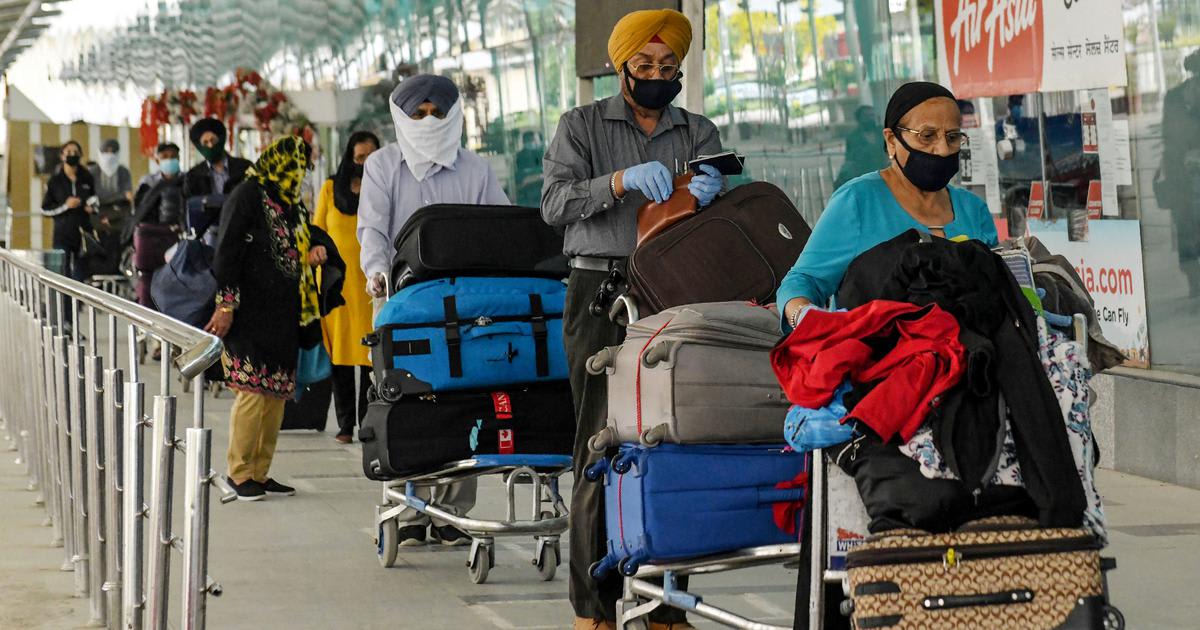
In the pre-pandemic world, budget travel options were thriving, allowing many to explore diverse destinations without breaking the bank. Hostels, budget airlines, and shared accommodations emerged as popular choices for travelers seeking to stretch their dollars and experience the world. However, the onset of COVID-19 in early 2020 drastically altered the landscape of travel, prompting a reevaluation of these cost-effective methods.
The Rise of Budget Travel
For years, the travel industry witnessed a boom in budget-friendly options. Companies specializing in low-cost flights and communal living arrangements made travel accessible to a broader audience. Many travelers, particularly students and young professionals, embraced these economical choices, which often allowed them to visit multiple countries on a tight budget.
Platforms like Airbnb and Couchsurfing facilitated affordable lodging alternatives, while budget airlines offered lower ticket prices, making it feasible for individuals to plan spontaneous trips. The sharing economy flourished, reflecting a growing desire for adventure among those who were mindful of their spending.
The Effect of the Pandemic
When COVID-19 emerged, it rapidly brought global travel to a standstill. Countries imposed lockdowns and travel restrictions, leading to an unprecedented decline in tourism. This sudden shift had a profound impact on budget travel, as many of the companies providing these services struggled to survive. Hostels and shared accommodations faced financial difficulties, and flight cancellations became rampant, leaving many travelers stranded.
As health and safety became paramount concerns, the appeal of shared spaces diminished. Travelers became increasingly wary of close quarters and communal living, leading to a decline in demand for budget accommodations. Additionally, flight restrictions and border closures made it nearly impossible for individuals to travel internationally.
Shifts in Travel Preferences
As the world gradually reopened, the travel preferences of individuals began to shift. Many travelers are now prioritizing safety and hygiene over cost. This shift has led to an increase in demand for private accommodations, such as vacation rentals, where travelers can maintain their distance from others. The desire for more control over one's space and environment has become a significant factor in the decision-making process.
While budget airlines are still operational, many have had to adjust their business models to accommodate new safety protocols, which can lead to increased costs for travelers. The competitive pricing that characterized the pre-pandemic travel industry is now being challenged by the need for enhanced safety measures, potentially reducing the cost-effectiveness of budget travel.
Looking Ahead
As the travel industry continues to recover from the impacts of COVID-19, it remains uncertain how long the changes in consumer behavior will last. Experts suggest that while some travelers may revert to their previous habits, many will continue to prioritize safety and comfort in their travel plans.
Moreover, with the rise of remote work, more people are considering extended travel options, such as working while traveling. This trend could lead to a new type of travel experience that balances affordability with the need for safety and convenience.
Inference
The pandemic has undeniably transformed the landscape of travel, especially for those seeking affordable options. While budget travel once thrived on the principles of sharing and cost-saving, the need for safety and hygiene has redefined the industry. As travelers adapt to this new reality, the future of cost-effective travel remains in flux, with evolving preferences shaping the way people explore the world.
Comments (0)
Be the first to comment!