
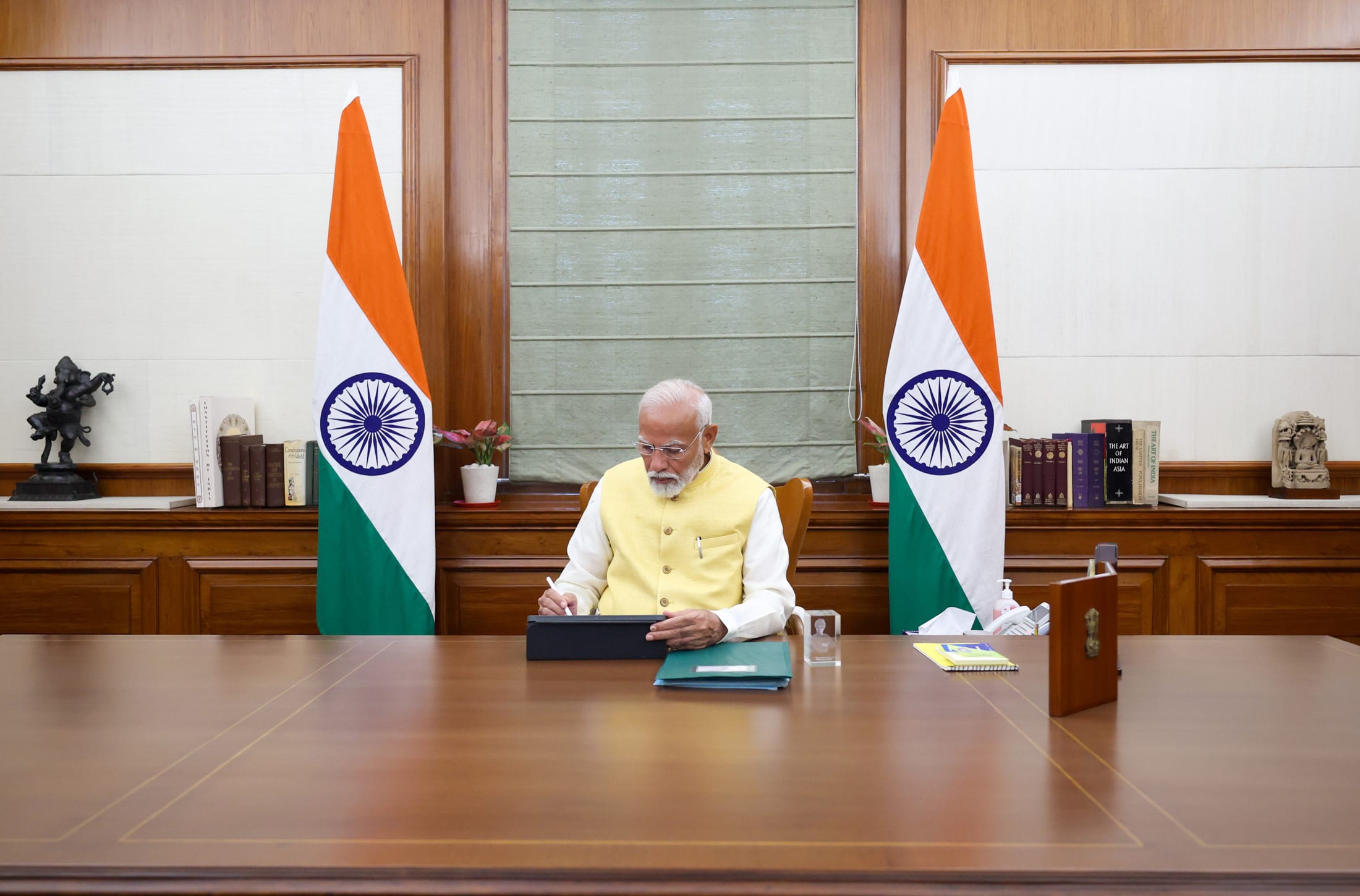
The Prime Minister's Office (PMO) in India has often been a focal point of political discourse, raising questions about its influence and power within the broader governmental framework. As the PMO plays a crucial role in shaping policy and governance, its status as a powerful entity is frequently examined.
Understanding the Role of the PMO
The PMO serves as the nerve center of the Indian government, providing support and advice to the Prime Minister. It coordinates with various ministries and departments, ensuring that the Prime Minister's directives are implemented effectively. The PMO's influence can be seen in key areas such as policy formulation, crisis management, and international diplomacy.
Historical Context of Power
Historically, the PMO's power has fluctuated depending on the leadership style of the sitting Prime Minister. Under previous administrations, some PMOs have been characterized by a more collaborative approach with cabinet ministers, while others have exhibited a more centralized style of governance, where the PMO asserts significant control over decision-making processes.
Indira Gandhi Era: The PMO was notably strengthened during Indira Gandhi's tenure, where it became a pivotal force in India’s political landscape.
Narendra Modi's Leadership: Since 2014, Prime Minister Narendra Modi’s administration has been marked by a highly centralized PMO, which has garnered attention for its proactive approach in governance.
Current Structure and Functionality
Currently, the PMO is led by the Principal Secretary to the Prime Minister, who oversees the office's day-to-day operations. The PMO is staffed by a team of advisors and analysts specializing in various fields, including economics, security, and foreign relations. This structure enables the PMO to respond swiftly to emerging issues and maintain a strategic focus on national priorities.
Impact on Governance
The expansive reach of the PMO has significant implications for governance in India. The PMO's ability to coordinate across ministries can enhance efficiency but may also lead to concerns regarding accountability. Critics argue that an empowered PMO can overshadow the roles of individual ministries, leading to a concentration of power that can undermine democratic processes.
The PMO in the Context of Political Power
Political analysts often discuss the PMO's influence in relation to party dynamics and electoral strategies. The PMO's initiatives and public engagements can sway public opinion and impact electoral outcomes. The office's prominence in the media and its capacity to control the narrative surrounding government policies further solidify its role as a powerful entity in Indian politics.
Public Perception and Critique
Public perception of the PMO's power varies widely. Supporters of the current government view the PMO as an effective engine for reform and development, while critics express concerns about potential authoritarian tendencies. This dichotomy illustrates the complex relationship between governance and public sentiment in a democracy.
Comments (0)
Be the first to comment!