
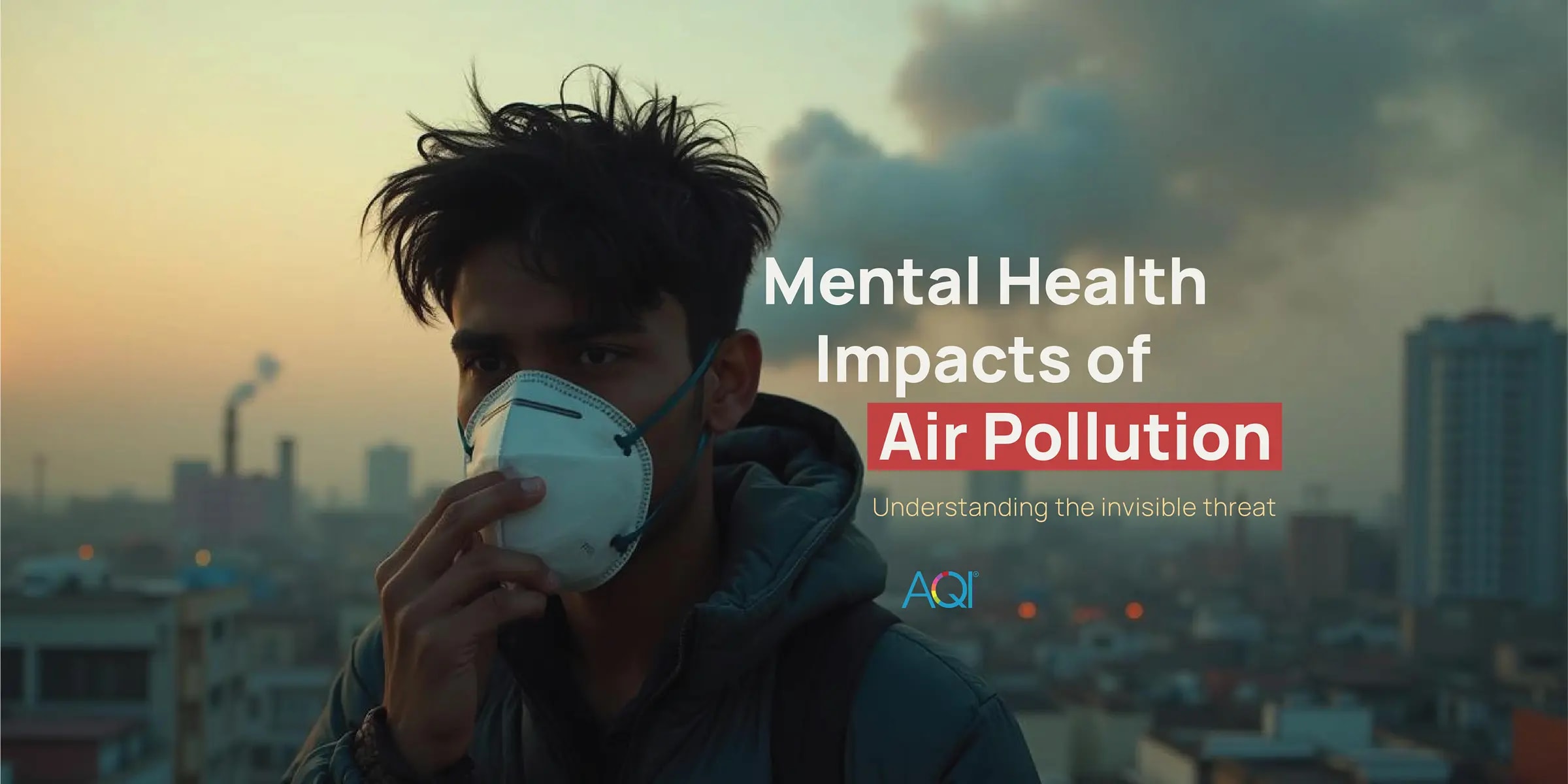
Air pollution poses a significant threat to public health across India, making it a pressing issue for both policymakers and citizens. Various studies have outlined the detrimental effects of poor air quality on the population, particularly in urban areas, where industrial emissions and vehicular traffic contribute substantially to air pollution levels.
The Scope of the Problem
India is home to some of the world's most polluted cities, with air quality often exceeding safe limits set by the World Health Organization (WHO). The Centre for Research on Energy and Clean Air (CREA) highlights that air pollution is responsible for millions of premature deaths each year. The rise in respiratory diseases, cardiovascular problems, and other health complications is closely linked to the increasing levels of particulate matter (PM), nitrogen dioxide (NO2), and sulfur dioxide (SO2) in the air.
Health Effects of Air Pollution
Numerous epidemiological studies have established a clear connection between air pollution and various health issues. Some of the most common illnesses linked to poor air quality include:
Respiratory Diseases: Conditions such as asthma, chronic obstructive pulmonary disease (COPD), and lung infections have seen a marked increase due to air pollution. Children and the elderly are particularly vulnerable.
Cardiovascular Problems: Long-term exposure to polluted air can lead to heart attacks, hypertension, and strokes. The fine particulate matter penetrates deep into the lungs and enters the bloodstream, causing systemic health issues.
Cancer: There is growing evidence that air pollution contributes to the risk of developing lung cancer and other types of cancer. Studies indicate that exposure to certain pollutants is associated with increased cancer rates.
Neurological Disorders: Emerging research suggests a link between air pollution and cognitive decline, including conditions like dementia. Neuroinflammation caused by pollutants may play a role in these diseases.
Reproductive Health Issues: Air pollution has been associated with adverse pregnancy outcomes, including low birth weight and preterm births, which can have long-lasting effects on child health.
The Role of Government and Policy Responses
In response to the growing health crisis linked to air pollution, the Indian government has implemented various policies aimed at improving air quality. Initiatives such as the National Clean Air Programme (NCAP) seek to tackle the sources of pollution through regulations and public awareness campaigns. The program focuses on reducing particulate matter in the air by promoting cleaner technologies and encouraging the shift to renewable energy sources.
Moreover, local governments are increasingly adopting measures such as vehicle emission controls, promoting public transportation, and enhancing green spaces in urban areas to combat the adverse effects of pollution. However, the effectiveness of these measures relies heavily on enforcement and public compliance.
Public Awareness and Community Action
Community awareness and activism play a crucial role in addressing air pollution. Non-governmental organizations, local communities, and concerned citizens are coming together to advocate for cleaner air. Public campaigns aimed at educating individuals on the health risks associated with air pollution can drive demand for stricter regulations and cleaner practices.
Moreover, citizens can actively contribute by reducing their carbon footprint, opting for public transport, and engaging in local environmental initiatives. Individual actions, when multiplied across communities, can lead to significant improvements in air quality.
Comments (0)
Be the first to comment!