
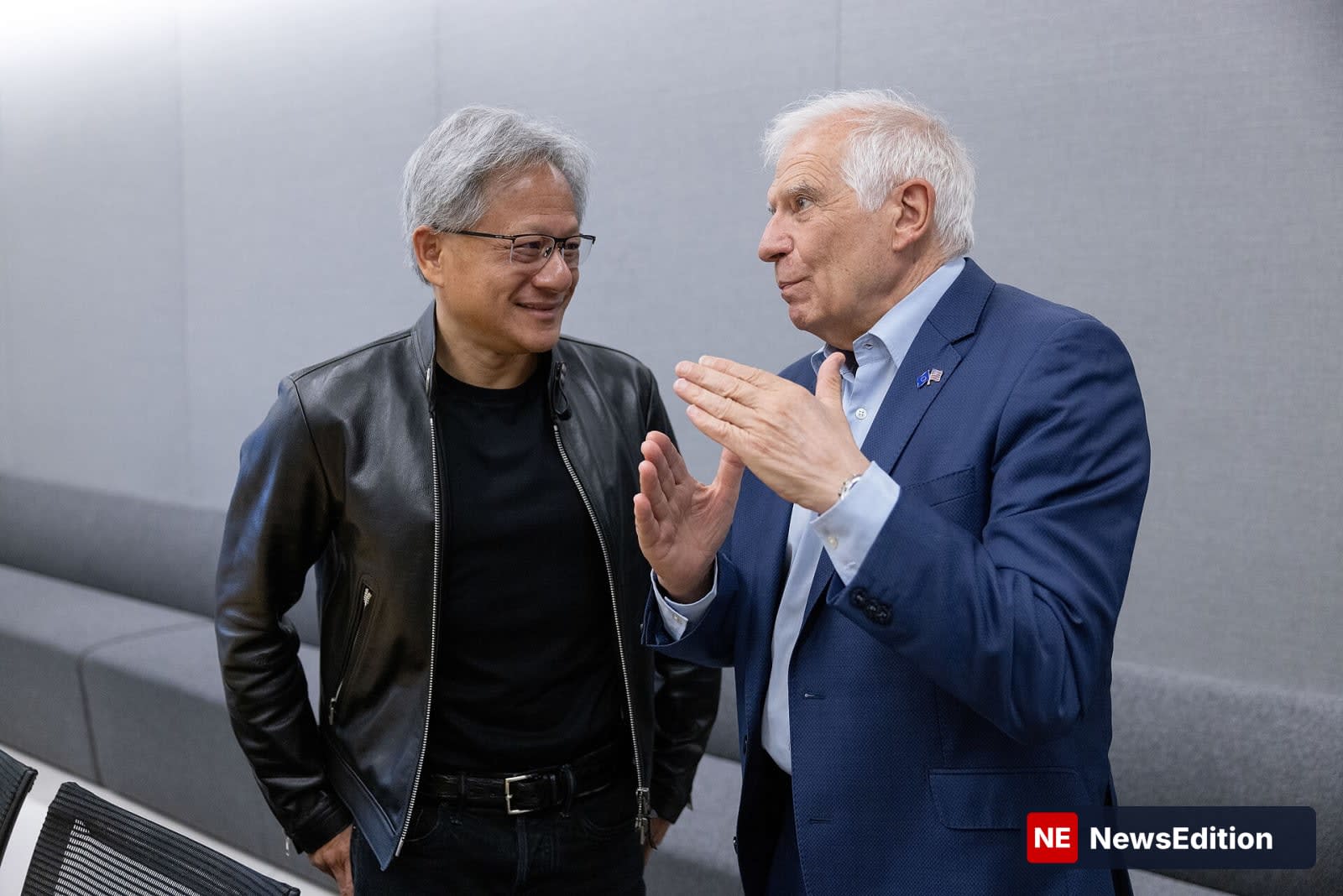
US Attorney General Todd Blanche declined to say whether Nvidia is under investigation by federal authorities, even as the company faces growing scrutiny after Jensen Huang returned as CEO. The uncertainty affects Nvidia’s leadership, its investors, and raises national security questions, according to BBC News and The Indian Express.
On Tuesday, Blanche described Nvidia as a "good corporate citizen" but refused to answer repeated questions about possible inquiries into the company or its chief executive. When asked about any Justice Department or FBI probe involving Huang, Blanche replied, "I don't know what you're talking about." He also said he had no details about Huang’s security clearance, which lawmakers have demanded after reports that President Donald Trump played a role in Huang’s reinstatement.
Jensen Huang was brought back as Nvidia’s chief executive on Monday, less than two weeks after leaving the role due to revelations of extramarital affairs, including one with a woman who has been accused of spying for China. This individual headed Megaspeed, a Singaporean company that does business with Nvidia. Huang is due to appear before Congress next week, where members are set to press him on concerns that his relationship with Megaspeed’s leader may have put US interests at risk.
President Trump has publicly stated that he contacted Nvidia’s board and urged them to restore Huang to the top post. Speaking to the New York Post, Trump said he might pardon Huang if any wrongdoing were uncovered, but he doubted it would come to that, explaining, "It's always an option, I guess, but I don't think it'll be necessary."
The Nvidia board’s decision came as a surprise reversal. Board chairman Harvey Jones said reinstating Huang served the "best interests of our stockholders, employees, partners and customers." The board also said it consulted senior US government officials and felt assured that Huang’s return did not pose a threat to national security.
On the day after his return, Huang reportedly apologised to Nvidia staff, admitted to serious lapses in judgment, and revealed he is undergoing daily therapy. His comeback triggered dramatic changes in the company’s share price: Nvidia stock jumped over 31% on Monday, then dropped by nearly 6% in volatile trading on Tuesday, but remained higher than where it ended the previous week.
Official responses and the status of the nvidia investigation
Attorney General Blanche, questioned by reporters, would not confirm any investigation involving Nvidia or its CEO. He said he had no information on such matters. Blanche also explained that the Justice Department handles "hundreds, if not more" export-related cases at any given time, and when asked if a particular probe was still active, he again said, "I don't know what you're talking about." He added that if Nvidia were obstructing an official inquiry or was a target, that would not align with the message being given by the president or himself.
Meanwhile, the US Commerce Department has announced steps to add Megaspeed, the Singapore-based company linked to the alleged Chinese espionage controversy, to its trade blacklist. Authorities suspect Megaspeed of involvement in moving sensitive chip technology to China. According to a joint statement released last week by the Commerce and Justice departments, their probe into Megaspeed for possible violations of export controls began in 2024. However, there is no confirmation from either department that Nvidia itself is under criminal investigation.
Political figures from both major US parties have criticized the move to reinstate Huang. Republican Senator Pete Ricketts said Huang's actions do not excuse Nvidia from addressing questions about missing chips and national security. Democratic Congressman Robert Garcia said Trump’s involvement in Nvidia’s decision raises "serious national security and corruption questions." Democratic Senator Ruben Gallego has called for an inquiry into stock trades made before Huang’s return was announced.
Analysis: what the nvidia investigation uncertainty could mean
- The attorney general’s refusal to answer whether Nvidia is being investigated leaves government intentions unclear and could unsettle both lawmakers and investors awaiting clarity on the company’s legal position.
- The Nvidia board’s claim that they had guidance from senior officials and saw no national security risk may reassure some stakeholders, but criticism from both parties in Congress shows that public and political skepticism remains strong.
- The available information focuses on the investigation into Megaspeed rather than Nvidia itself, so it remains uncertain whether the company could face legal action or further regulatory scrutiny in the future.
What comes next for Nvidia and US officials
Jensen Huang is scheduled to testify before Congress next week to address questions about his association with Megaspeed and the resulting national security concerns. The Commerce Department continues its efforts to place Megaspeed on its trade blacklist. No additional details about an investigation into Nvidia or its leadership have been made public in the reports.
Comments (0)
Be the first to comment!