
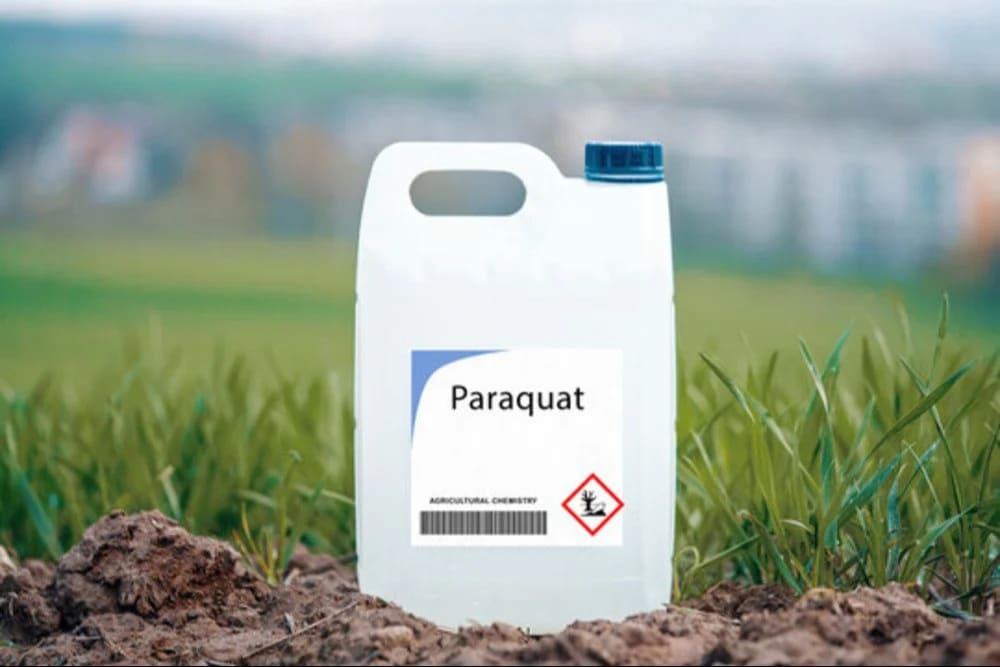
The World Health Organization (WHO) has expressed its approval of India’s recent decision to ban the herbicide paraquat, a chemical known for its severe health risks and environmental impact. This move marks a significant step in enhancing agricultural safety and public health in the country.
Understanding Paraquat and Its Risks
Paraquat is a widely used herbicide, particularly in agriculture for controlling weeds. However, it has been linked to numerous health hazards, including acute poisoning and long-term health effects such as Parkinson's disease. The chemical is highly toxic, and even small amounts can be lethal. Its use has raised concerns among health experts and environmentalists alike, prompting calls for regulatory action.
India’s Regulatory Landscape
India has a history of using various pesticides in its agricultural practices, but the safety and health implications of these chemicals have come under scrutiny in recent years. The ban on paraquat is part of a broader effort by the Indian government to regulate hazardous substances and promote safer alternatives in farming.
The Ministry of Agriculture and Farmers' Welfare in India announced the ban after recognizing the potential dangers posed by paraquat, not only to farmers who handle the herbicide but also to consumers and the environment. This decision aligns with global health priorities and reflects India’s commitment to improving public health standards.
Global Perspectives on Pesticide Use
Countries around the world have been grappling with the challenges posed by toxic pesticides. The WHO has long advocated for the reduction of harmful chemicals in agriculture, emphasizing the need for safer alternatives that do not compromise health or the environment. The organization has lauded several countries for their efforts to phase out dangerous pesticides, and India’s recent decision places it among those leading the charge.
In many developed nations, strict regulations have already curtailed the use of paraquat. For instance, countries in the European Union have banned its usage due to the associated health risks. India’s ban could signal a shift towards more stringent regulations in the agricultural sector, promoting a safer environment for farmers and consumers alike.
Implications for Farmers and Agriculture
The ban on paraquat raises questions about its impact on farmers who have relied on this herbicide for weed control. Transitioning to safer alternatives may require adjustments in farming practices and increased education on the use of new products. The government may need to provide support, training, and resources to ensure a smooth transition for farmers.
Additionally, the agricultural sector may see innovation in the development of organic and less toxic herbicides. This could not only aid in maintaining crop yields but also enhance the sustainability of farming practices in India.
Comments (0)
Be the first to comment!