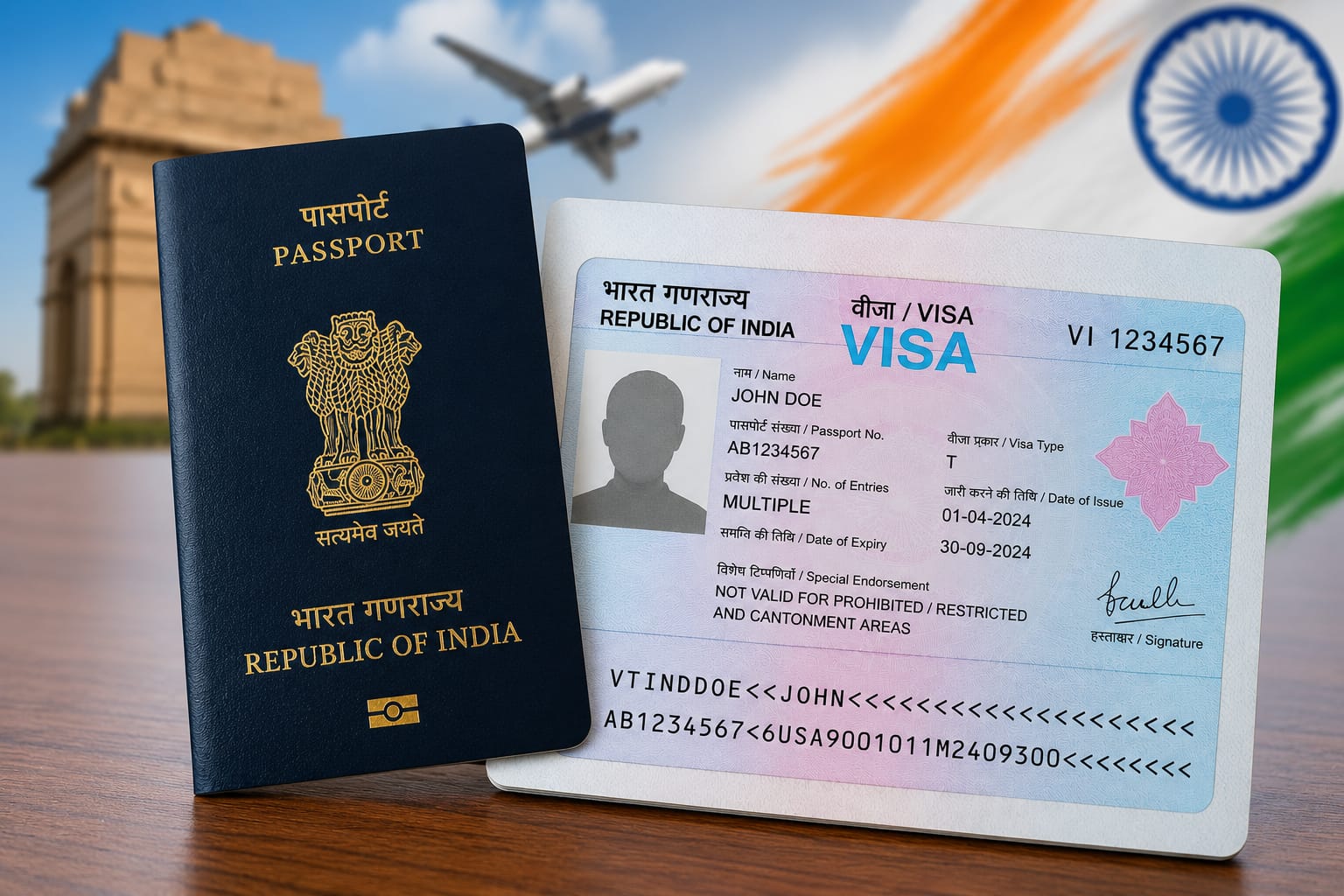
New Delhi [India], June 17: India has introduced changes in its visa classification and registration process by bringing important updates for international students, professionals, researchers and other foreign nationals staying or planning to stay in the country.
The Ministry of Home Affairs has introduced new reforms to visa classification and registration proccess with an aim to simplify and strengthen the registration process to ensure better monitoring of the foreign nationals who come to India for education, employment, research and other long term purpose.
According to immigration experts, including Fragomen, the revised rules are designed to make India’s visa administration process more structured and ensure that foreign nationals enter the country under categories that accurately reflect their work, studies or research activities.
What is the update ?
One of the most significant updates introduced by the government relates to the deadline for foreigner registration.
As earlier, foreign nationals staying in India beyond 180 days had the option to complete their registration within 14 days after crossing the 180-day period. Although, the updated rules have changed this process and now under the revised framework, foreign nationals who intend to remain in India beyond the permitted period must now complete their registration before the expiry of 180 days from the date of arrival if they wish to extend their stay.
The new system removes the earlier grace period that many foreign nationals relied on while extending long-term stays in India.
One of the biggest changes is the restructuring of employment visa categories.
India has now shifted towards creating specialised sub-categories within the broader Employment Visa framework instead of maintaining multiple separate visa categories. As now, project-related visas will be considered under a sub-category of employment visas rather than an independent visa type.
The government has also introduced more specialised visa routes in recent months, such as the e-Production Investment Visa (eB4). This visa is designed for foreign experts, engineers, and technical professionals who come to India for short-term manufacturing and project-related assignments.
Why this is Important ?
For many foreign nationals, FRRO registration is a mandatory requirement linked to their visa conditions. Although, failure to complete registration within the required timeline can result in administrative issues, penalties, or challenges while extending visas or leaving the country.
The amendment removes the flexibility provided by the earlier 14-day buffer period and places greater responsibility on visa holders and sponsoring employers to actively monitor deadlines.
However, now Indian immigration rules clearly differentiate between, business activities, employment activities, research and academic activities, project execution work and short-term technical assignments.
A person entering India on a Business Visa cannot undertake full-time employment, while paid work generally requires an Employment Visa. Authorities are increasingly ensuring that the visa category matches the actual work being performed in India.
These changes aim to improve the monitoring and documentation of foreign nationals while strengthening the government’s ability to manage security and administrative requirements more effectively.
According to Fragomen, the new provisions support the government’s ongoing efforts to modernise immigration management through improved digital tracking and registration systems.
Why Stricter Compliance Rules ?
Foreign nationals staying in India for extended periods are required to register with the Foreigners Regional Registration Office (FRRO) or Foreigners Registration Office (FRO), depending on their location and visa requirements.
The latest notification issued by the Ministry of Home Affairs states that delayed registration will only be considered in exceptional or emergency situations.
The move aims to improve monitoring of long-term foreign residents and give immigration authorities better visibility over individuals staying in India beyond six months.
What changes related to children and employment visas ?
The updated rules have also introduced changes related to children born in India to foreign nationals. The requirement to report the birth of a child has been removed if one parent is an Indian citizen.
However, if the child later obtains foreign citizenship, registration of the child will be required within 30 days.
The government has also revised employment visa subcategories. While the categories have been reorganised, immigration experts have noted that there are currently no major practical impacts for foreign employees.
Why the New Visa Rules Matter ?
The revised framework highlights India’s focus on improving immigration management while supporting global professionals, businesses and academic collaborations.
Foreign nationals working, studying or conducting research in India are advised to carefully review the updated requirements and complete necessary procedures within the revised timelines to avoid compliance issues during their stay.
Comments (0)
Be the first to comment!