
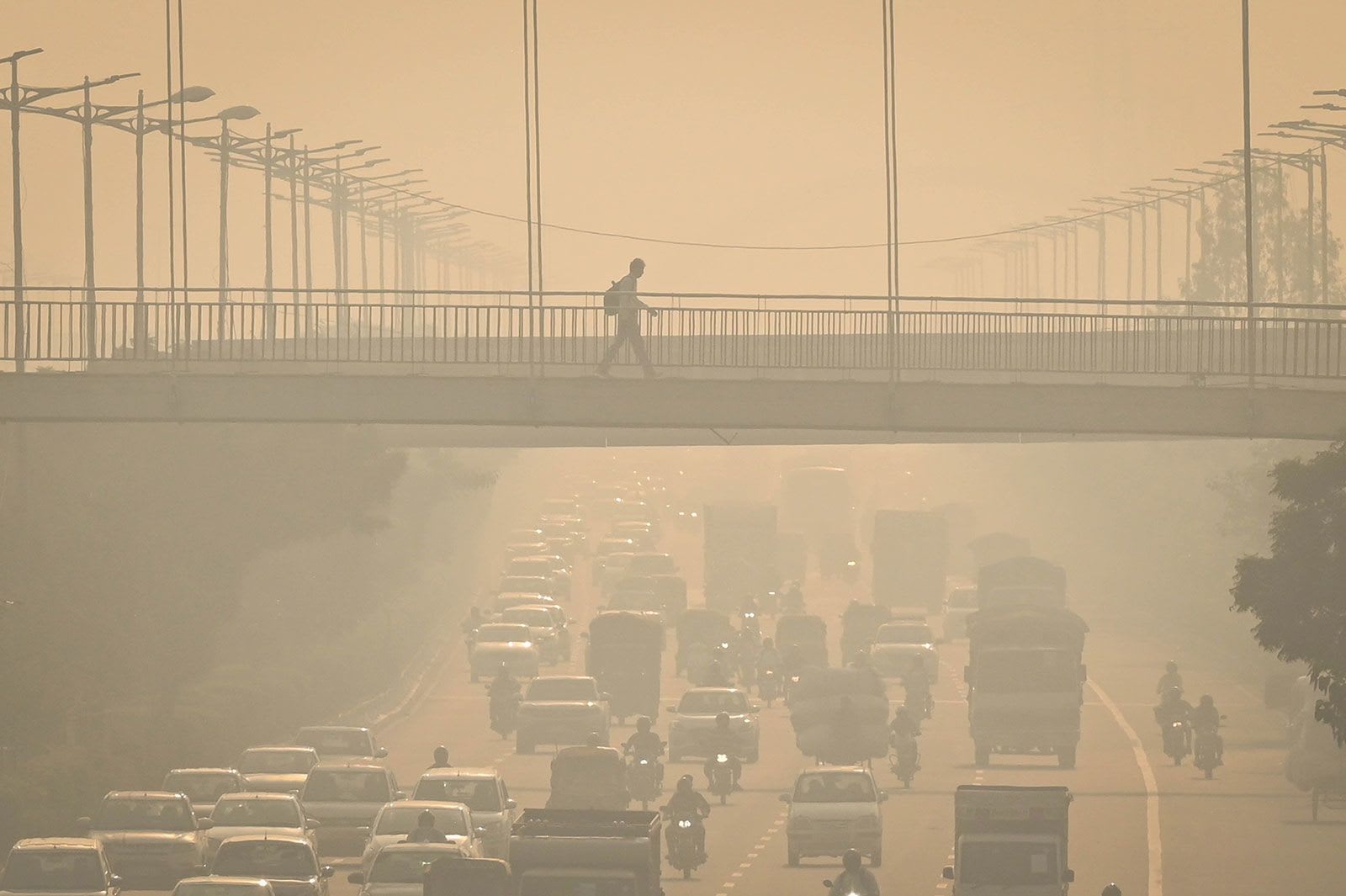
As Diwali approaches, concerns about air quality in Delhi have escalated, with a recent report designating the capital as the most polluted major city in the world. This alarming finding, released by a Swiss organization, highlights the ongoing air quality challenges faced by the city, particularly during festive seasons when pollution levels typically spike.
Annual Pollution Crisis
Delhi has long struggled with severe air pollution, often exacerbated by factors such as vehicular emissions, industrial activities, and construction dust. The festival of Diwali, known for its fireworks and increased activity, tends to worsen air quality significantly. During this period, the combination of these elements leads to hazardous levels of particulate matter in the air, posing serious health risks to residents.
Impact of Diwali Celebrations
Diwali, celebrated with great enthusiasm across India, traditionally involves the lighting of fireworks. However, this practice has been linked to a sharp rise in air pollution levels. The Swiss group’s report underscores the urgent need for sustainable celebrations that minimize environmental impact. With Delhi’s air quality index (AQI) often reaching hazardous levels during this time, public health officials are urging residents to reconsider their festive practices.
Health Concerns
Exposure to high levels of air pollution can have dire health consequences, particularly for vulnerable populations such as children, the elderly, and those with preexisting health conditions. Increased respiratory issues, cardiovascular diseases, and other serious health problems have been documented in cities with poor air quality. Experts recommend that individuals take precautionary measures, such as wearing masks and limiting outdoor activities during peak pollution days.
Government Response and Initiatives
The Delhi government has implemented various measures over the years to combat air pollution, including the introduction of odd-even vehicle regulations, increased green cover, and stricter emission norms for industries. However, the effectiveness of these initiatives is often challenged by the rapid urbanization and population growth in the region. As Diwali draws near, authorities are emphasizing the importance of community participation in reducing pollution, urging citizens to opt for eco-friendly celebrations.
Public Awareness and Education
Raising public awareness about the sources and effects of air pollution is crucial in fostering a culture of responsibility among Delhi residents. Educational campaigns focusing on the importance of clean air, along with promoting sustainable alternatives to traditional fireworks, can contribute to reducing pollution levels. Community initiatives aimed at planting trees and cleaning local environments also play a significant role in improving air quality.
International Comparisons
Delhi's pollution crisis is not unique; many cities globally face similar challenges. However, the severity of air quality issues in Delhi has drawn international attention. Comparisons with other major cities highlight the pressing need for comprehensive policies and collaboration between governments, industries, and citizens to tackle this pervasive issue effectively.
Comments (0)
Be the first to comment!