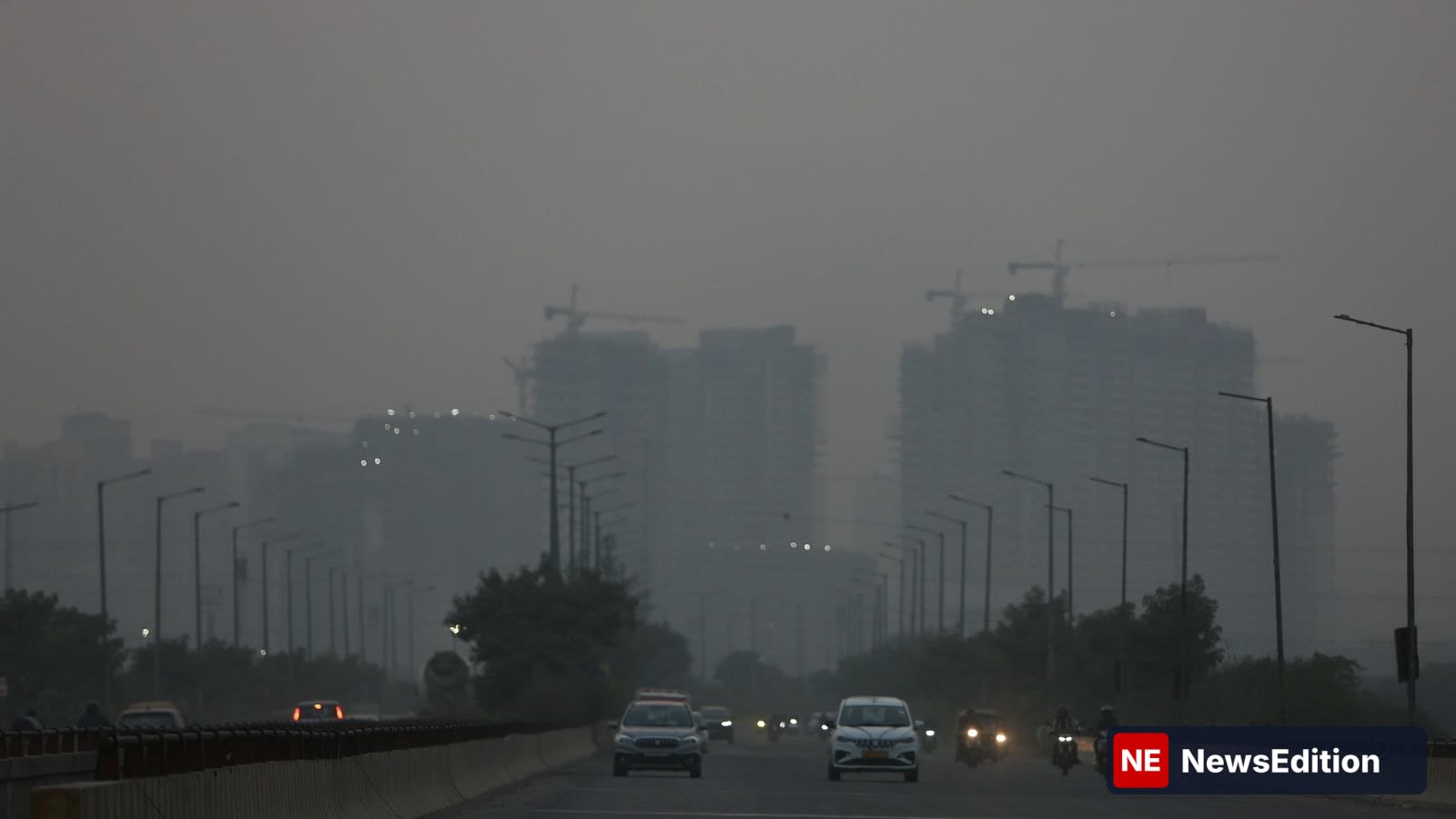
Gurugram’s 50% work-from-home (WFH) rule for private offices, put in place this November as an anti-pollution measure, has led to official scrutiny of two major law firms after surprise visits found them allegedly breaching the attendance cap. The directive, which impacts hundreds of businesses in the district, was enforced following orders from the Commission for Air Quality Management, according to The Indian Express.
The new rule was announced by Gurugram Deputy Commissioner Uttam Singh on November 3. All private companies were told to ensure that no more than half their workforce is physically present at offices between November 5 and November 20. This was the first time such a restriction had been applied in the city, reflecting growing concern about air quality during peak pollution season.
How the WFH rule was enforced and who was found in violation
District authorities received alerts about possible non-compliance from residents through social media and two dedicated phone lines, including the emergency helpline 112 and a control room number (928979048). Citizens sent in anonymous tips, some tagging the Deputy Commissioner online to draw attention to suspected breaches.
In response, enforcement teams carried out unannounced inspections at five offices. Only two firms—Trilegal and JSA Advocates & Solicitors—were found to have more people on site than permitted. Both companies operate from offices in Sector 42 on Golf Course Road. During the checks, officials counted about 87 people present at Trilegal, whose total staff is 117, and around 160 people at JSA Advocates & Solicitors, which employs 262 in total. Both numbers exceeded the limit of 50% of staff allowed in the office at any time under the current rule.
Sub-Divisional Magistrate Sanjeev Kumar Singhla, responsible for Badshahpur, issued formal notices to these law firms on November 5. The notices asked the firms to explain why so many people were present and to submit documents such as the full list of employees, records from attendance systems, daily duty rosters, and lists of staff who were working remotely on the day of inspection. In their responses, both law firms said the extra people present were visitors and not their employees.
The administration is now comparing the visitor lists provided by the firms with their official attendance data to see if the explanation holds up. Singhla told The Indian Express he is reviewing the replies and supporting records. He also noted that the three other offices inspected were mostly empty, possibly due to Diwali holidays, and so were found to be following the rules. Two of these compliant offices are located in Sohna, officials said.
Authorities warned earlier that companies unable to justify excess attendance could face legal action under the law that governs air quality management in the National Capital Region and nearby areas.
Alongside the targeted checks based on public complaints, district officials also conducted random inspections at other offices without prior complaints. These additional checks did not find any further violations, according to the administration’s spokesperson.
With the WFH enforcement underway, the administration is also shifting its focus to other pollution sources. A spokesperson stated that if evidence such as photographs is submitted showing open burning of waste, police will be instructed to file First Information Reports (FIRs) immediately in line with current orders.
Analysis: what the findings reveal about compliance and enforcement
- Most offices checked during this period were either empty or within the attendance cap, which could indicate broad compliance or reflect reduced staffing around Diwali. This suggests the timing of inspections may have influenced the results.
- By requiring companies to provide detailed records—including attendance logs and proof of remote work—the administration is emphasizing thorough documentation and not just taking explanations at face value. This could signal a tougher stance on verifying compliance in future drives.
- The reports do not clarify how officials will differentiate staff from visitors in future checks or whether the WFH mandate will continue beyond November 20. The next steps for the two law firms depend on the outcome of the ongoing review of their explanations.
What happens next in Gurugram’s WFH directive
The district administration is still reviewing the responses and supporting documents from Trilegal and JSA Advocates & Solicitors. The current 50% WFH mandate is scheduled to expire on November 20, unless further instructions are issued based on air quality or compliance outcomes. No timeline for a final decision on the two firms has been announced.
Comments (0)
Be the first to comment!