
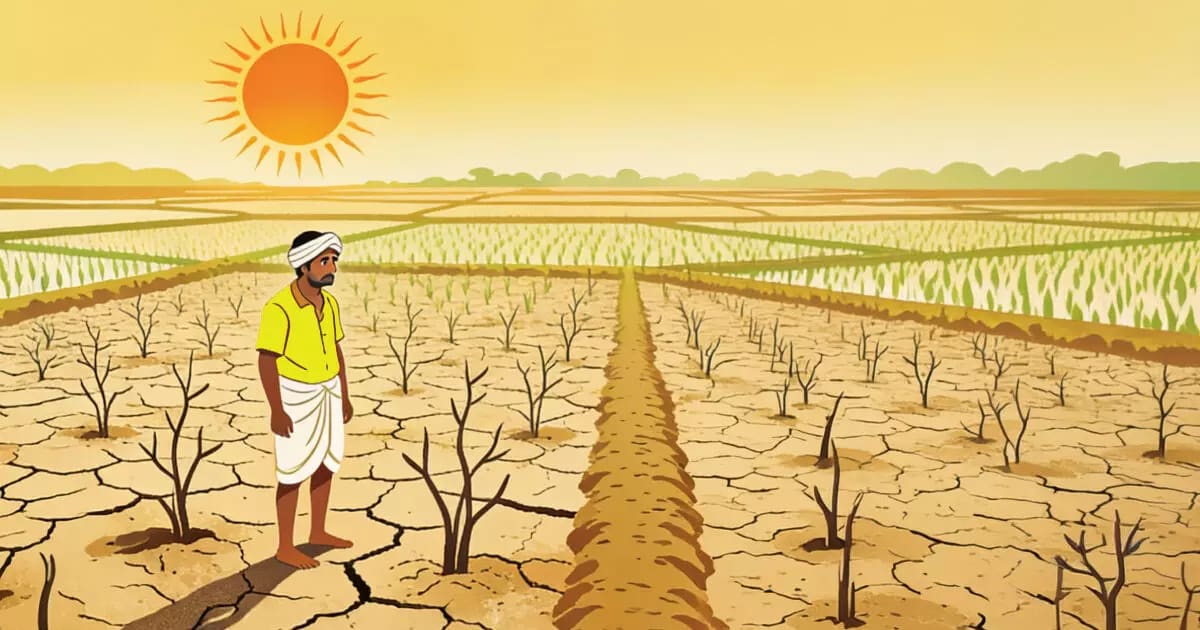
As the monsoon season approaches, India is bracing itself for the potential repercussions of the El Niño weather phenomenon, which could lead to severe agricultural disruptions and economic instability. El Niño is known for altering weather patterns, and its onset often brings about erratic rainfall, which can significantly impact crop yields and food supply.
Understanding El Niño and Its Implications
El Niño is characterized by the warming of ocean surface temperatures in the central and eastern Pacific Ocean, affecting global weather patterns. In India, this phenomenon typically results in reduced rainfall during the monsoon season, which is crucial for the country's agricultural sector. With the majority of India's farmers relying on the monsoon for irrigation, any disruption could have dire consequences for food production.
The Indian Meteorological Department (IMD) has indicated that the current conditions favor the development of El Niño, raising concerns among policymakers and farmers alike. A weaker monsoon could lead to drought-like conditions in various regions, particularly in the agricultural heartlands of the country.
Potential Consequences for Food Security
The threat of a food crisis looms large as the country depends heavily on the monsoon rains for its kharif crops, which include staples like rice, pulses, and coarse cereals. Experts warn that if rainfall is significantly below normal, it could lead to lower crop yields, resulting in food shortages and increased prices.
Furthermore, the impact on food production could exacerbate existing issues related to food security in India, where a substantial portion of the population already faces challenges in accessing sufficient nutrition. The government may need to implement measures to mitigate the effects of food inflation and ensure that vulnerable populations have access to essential supplies.
Economic Ramifications
The economic implications of an El Niño-induced food crisis are equally concerning. Agriculture is a critical sector in India, contributing a significant portion to the country’s GDP and employing millions. Disruptions in agricultural output could lead to a ripple effect across the economy, impacting everything from rural incomes to national growth rates.
Analysts suggest that a prolonged drought could hinder economic recovery efforts, particularly in the wake of the COVID-19 pandemic. Increased food prices could also lead to inflationary pressures, complicating the Reserve Bank of India's monetary policy as it seeks to manage inflation while supporting economic growth.
Government Preparedness and Response
In light of these challenges, the Indian government is urged to prepare for potential contingencies. This includes implementing strategies to support farmers, such as providing financial assistance or subsidies for crop insurance. Moreover, enhancing irrigation infrastructure and promoting water conservation techniques can help mitigate the adverse effects of drought.
Additionally, the government may need to stockpile essential food commodities to stabilize prices in the event of a supply shock. This proactive approach can help cushion the blow for consumers and maintain food security across the nation.
Looking Ahead
As India navigates the uncertainties posed by El Niño, the focus must remain on building resilience within the agricultural sector and ensuring that the economy can withstand potential shocks. Policymakers, farmers, and communities need to collaborate to develop strategies that not only address immediate concerns but also lay the groundwork for a more sustainable agricultural future.
Ultimately, the impact of El Niño will depend on its magnitude and the government's response. By taking proactive measures, India can hope to mitigate the worst effects and safeguard its food security and economic stability.
Comments (0)
Be the first to comment!