
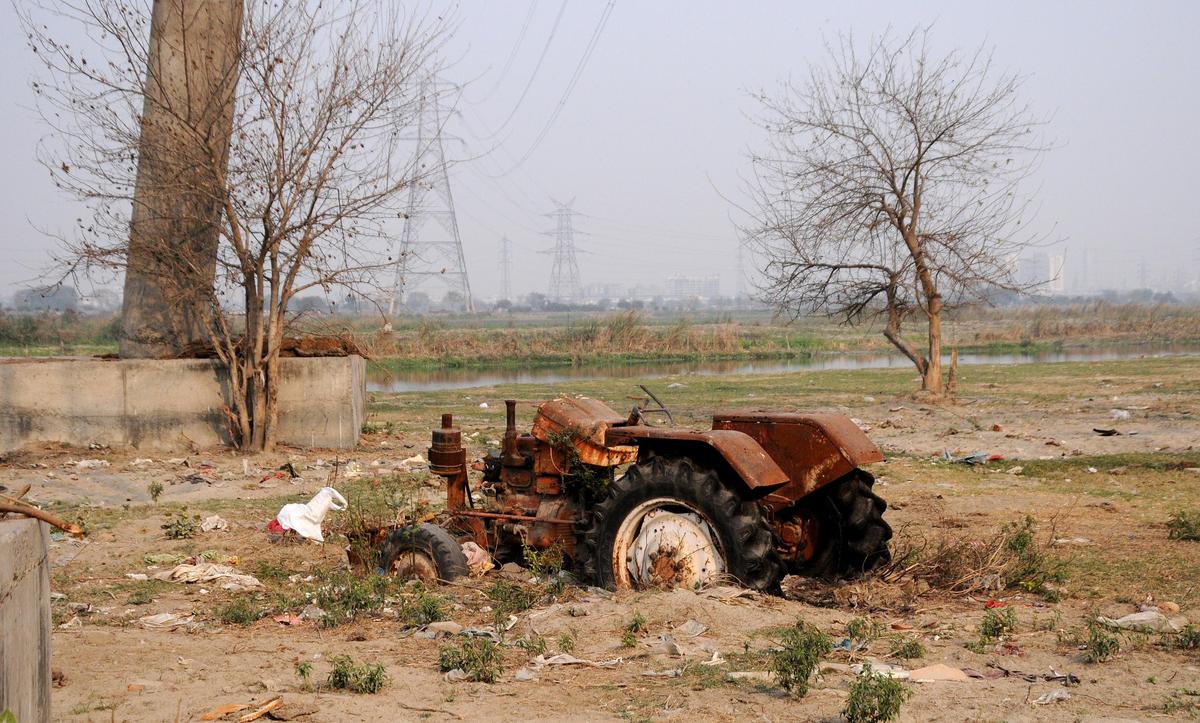
As India continues to grapple with environmental challenges, the recent discourse surrounding the country’s green law has intensified. Experts are urging policymakers to shift their focus from short-term assessments to establishing comprehensive baselines that would underpin effective environmental governance.
The Current Framework
India's green law, which aims to regulate environmental standards and promote sustainability, has been critiqued for its reliance on 'snapshots'—temporary metrics that provide limited insights into ecological health. These snapshots often reflect immediate conditions but fail to account for long-term trends, hindering the development of robust environmental policies.
Importance of Baselines
Baselines are essential for understanding the overall health of ecosystems. They provide a reference point against which changes can be measured over time, allowing for more informed decision-making. Without established baselines, any environmental assessment risks becoming a mere reflection of transient conditions rather than a holistic view of ecological progress or decline.
Experts argue that baselines would enable a clearer understanding of environmental impacts across various sectors, including agriculture, industry, and urban development. This clarity is crucial for formulating effective strategies that address the root causes of environmental degradation.
Challenges in Implementation
Implementing a system based on baselines is not without its challenges. The process requires extensive data collection, analysis, and a commitment to ongoing monitoring. Additionally, there is a need for collaboration among various stakeholders, including government bodies, non-governmental organizations, and local communities.
Moreover, the development of baselines must consider regional variations in ecology and human activity. What works in one part of the country may not be applicable in another, necessitating a tailored approach to baseline establishment.
International Perspectives
Looking at global practices, many countries have successfully integrated baseline assessments into their environmental legislation. For instance, the European Union employs comprehensive environmental monitoring systems that track changes over time, facilitating proactive policy adjustments. India could benefit from adopting similar methodologies, leveraging technology and data analytics to enhance its environmental governance.
Engaging the Public
Public engagement is another critical component of effective environmental governance. Educating citizens about the importance of baselines and their role in policy formulation can foster greater community involvement. This can lead to more robust local action and support for national environmental initiatives.
Furthermore, transparency in the data collection process is vital. Citizens should have access to environmental data, enabling them to contribute to discussions about sustainability and hold authorities accountable.
Comments (0)
Be the first to comment!