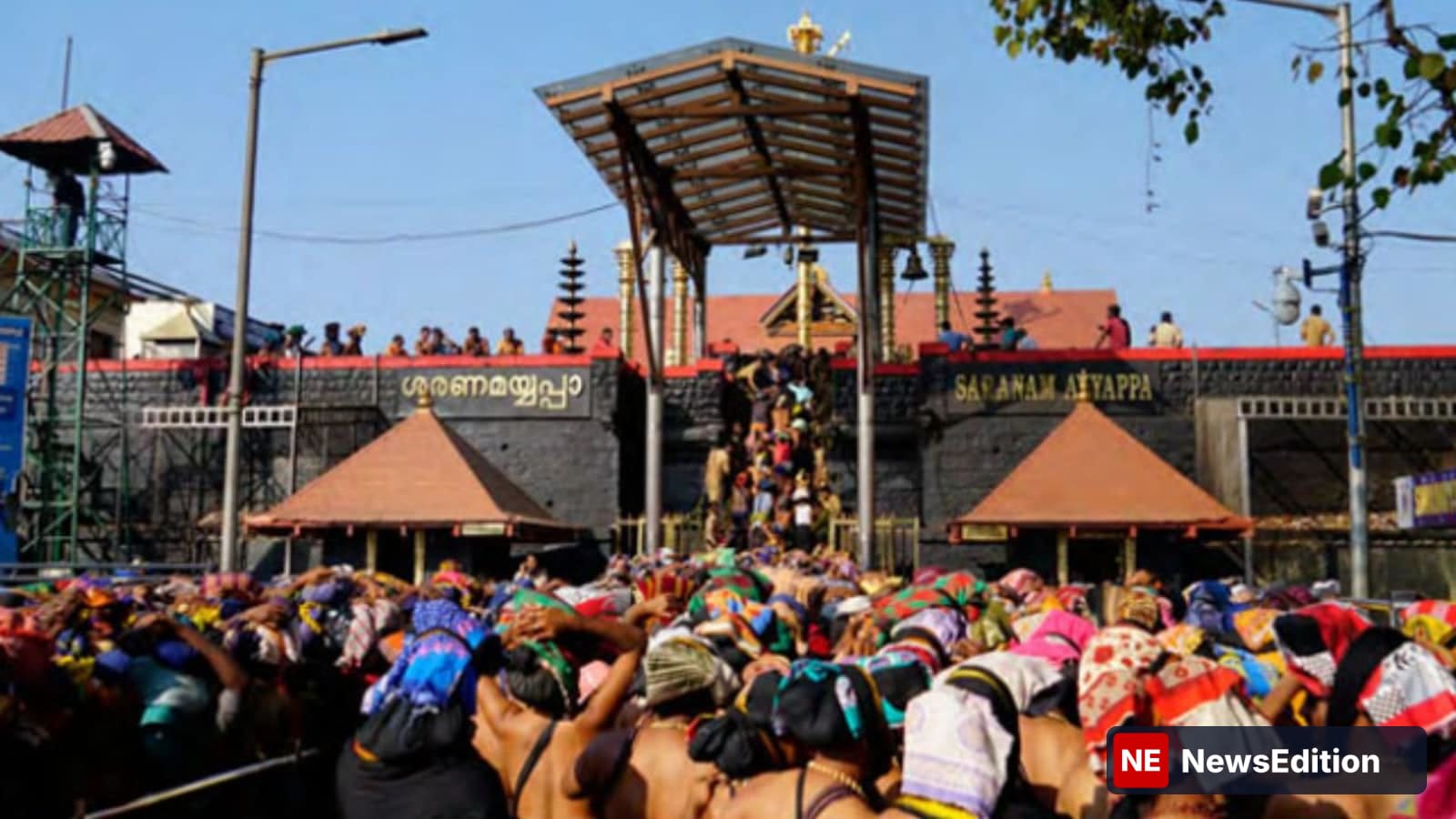
Kerala has issued new sabarimala cardiac safety guidelines for the 2026-27 pilgrimage season, targeting millions of Ayyappa devotees making the demanding journey to the hill shrine. The updated health measures are intended to protect pilgrims—especially those with heart conditions—from potentially life-threatening cardiac events during the steep climb, according to NDTV.
The Kerala Health Department released its advisory on November 22. It asks anyone with a record of heart disease to consult a doctor for a thorough check-up and secure written approval before setting out on the trek from Pamba to Sannidhanam. The guidelines also recommend that those who have recently suffered a heart attack, had heart surgery or angioplasty, or experienced heart failure get specialist advice before attempting the uphill route. Officials warn that the trek’s intense physical demands, coupled with crowding and sudden exertion, can put extra strain on the heart.
Importantly, these recommendations extend to all devotees, not just those already diagnosed with heart problems. The Health Department wants pilgrims of every age and fitness level to know their personal limits and to be able to spot symptoms that could signal a heart emergency. Those symptoms include chest discomfort, sudden breathlessness, unusual sweating, dizziness, changes in heartbeat, severe tiredness, or pain that radiates to the arms, jaw, or back. The department urges anyone feeling these signs to stop immediately, rest in a safe spot, and seek help at the closest medical centre along the route. The Sabarimala health helpline number, 04735 203232, can dispatch ambulances if needed.
What the new cardiac safety rules mean for pilgrims
Pilgrims with existing heart issues must now get a doctor’s clearance before joining the trek. The advisory also tells all devotees to manage chronic illnesses like diabetes and high blood pressure, keep taking prescribed medicines, and bring enough medication and their prescription slips with them. People are encouraged to hike at a pace that matches their ability, rest often, and drink sufficient water—unless their doctor has set limits on fluid intake. Those specifically treated for heart failure are told to follow their doctor’s hydration advice. The department warns against climbing after skipping meals and advises against rushing or forcing a way through crowded areas.
These rules are partly a response to a troubling pattern seen in earlier years. During the 2025 Mandala-Makaravilakku season, a report presented to the Kerala High Court on November 29 cited about 150 cardiac incidents among pilgrims, with 40 to 42 resulting in death. The court observed that sudden, intense physical activity can trigger acute heart episodes, reinforcing the need for health checks and emergency care.
In preparation for this season, Kerala has expanded medical support along the pilgrimage path. The government has set up 22 emergency centres staffed around the clock, where health workers can check oxygen levels, blood pressure, and blood sugar, and provide basic life-saving treatment. Across the main points at Nilakkal, Pamba, and Sannidhanam, there are now a total of 63 beds for hospital care and 14 beds equipped for intensive treatment. Two locations—Neelimala and Appachimedu—now offer dedicated heart care services. Ambulances, including those for off-road use, and mobile medical units are available to reach those in difficult terrain. For more advanced cases, patients can be transferred to hospitals such as Kottayam Medical College.
Kerala Health Minister K. Muraleedharan reported on November 21 that in the initial five days of the 2026 pilgrimage, 13,029 people had been treated at these medical centres. Of the 16 heart attacks recorded in this period, 11 individuals survived thanks to immediate intervention, highlighting the importance of swift care close to the trekking route.
Analysis: how the guidelines could shape the Sabarimala experience
- The sabarimala cardiac safety measures reflect a move towards prevention, encouraging pilgrims to screen for health risks before setting out, rather than relying solely on emergency responses during the trek.
- With hundreds of cardiac emergencies and dozens of deaths reported in previous years, the scale and detail of Kerala’s health arrangements suggest that these are not rare events, but a recurring challenge needing systemic solutions.
- It remains unclear from the reports how strictly the requirements for medical clearance will be checked at entry points, raising questions about how much the new guidelines will reduce actual risk for vulnerable pilgrims.
What comes next for Sabarimala pilgrims
The new cardiac safety rules are already in effect for the 2026-27 Mandala-Makaravilakku season. Emergency medical teams will stay deployed throughout the pilgrimage, and health authorities are set to track cardiac incidents and outcomes as the season continues.
Comments (0)
Be the first to comment!