
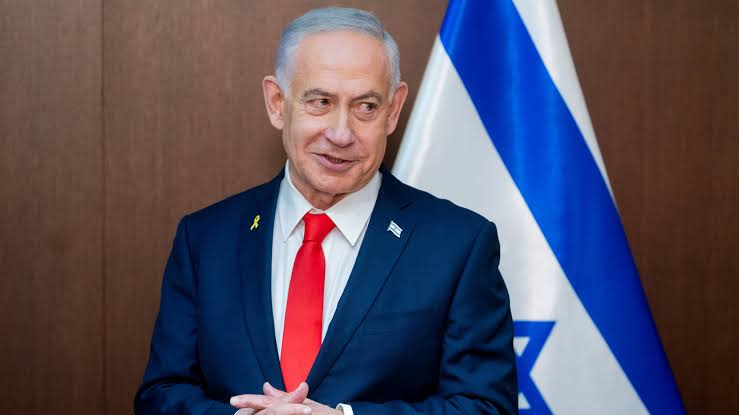
Israel currently finds itself in a complex political deadlock, with Prime Minister Benjamin Netanyahu at the center of discussions regarding potential paths forward. The stalemate has arisen from a fractured Knesset, where no single party commands a clear majority, leading to challenges in forming a stable government. Analysts are exploring five potential solutions that could help break this deadlock, with most options appearing to favor Netanyahu's administration.
Understanding the Political Landscape
The Israeli political scene has been tumultuous in recent years, with multiple elections resulting in a fragmented parliament. The last election saw Netanyahu's Likud party emerging as one of the leading factions, yet it still lacks the necessary coalition partners to secure a governing majority. The ongoing deadlock has raised concerns about governance and the future of political stability in the country.
Possible Solutions to the Deadlock
Experts have identified five strategies that could potentially lead to a resolution of the current impasse:
Coalition Government with Smaller Parties: Netanyahu could seek alliances with smaller parties to form a coalition. This would require concessions but could stabilize his government.
Rotation Agreements: A power-sharing agreement, where leadership is rotated among coalition partners, could be a way to appease rival factions and ensure compliance.
National Unity Government: A broader coalition that includes major parties from across the political spectrum might provide stability, although this may dilute Netanyahu's power.
Election Reforms: Implementing reforms that change how elections are conducted could alter the dynamics of the Knesset, potentially favoring Netanyahu’s approach.
Public Referendum: Netanyahu could propose a referendum on key issues, such as judicial reforms, to rally public support and legitimize his leadership.
The Likud Party's Position
Netanyahu's Likud party remains a dominant force in Israeli politics, and any solution that strengthens its position is likely to be viewed favorably by the party and its supporters. However, the need for cooperation with other political factions is essential, as the party alone cannot govern without a coalition. The political maneuvering involved in coalition-building will be critical in determining the future governance of Israel.
Challenges Ahead
Despite the potential strategies, significant challenges remain. The ideological divides among the parties in the Knesset are stark, and past experiences have shown that forming coalitions can be fraught with difficulties. Moreover, public sentiment plays a crucial role in shaping political outcomes, and any missteps could lead to increased dissatisfaction among the electorate.
Inference
As Israel navigates its political deadlock, the options available largely reflect the interests of Netanyahu and the Likud party. The future of Israeli governance hinges on the ability to forge alliances and make concessions while addressing the diverse concerns of the populace. The coming weeks will be critical as political leaders assess their positions and move towards a potential resolution.
Comments (0)
Be the first to comment!