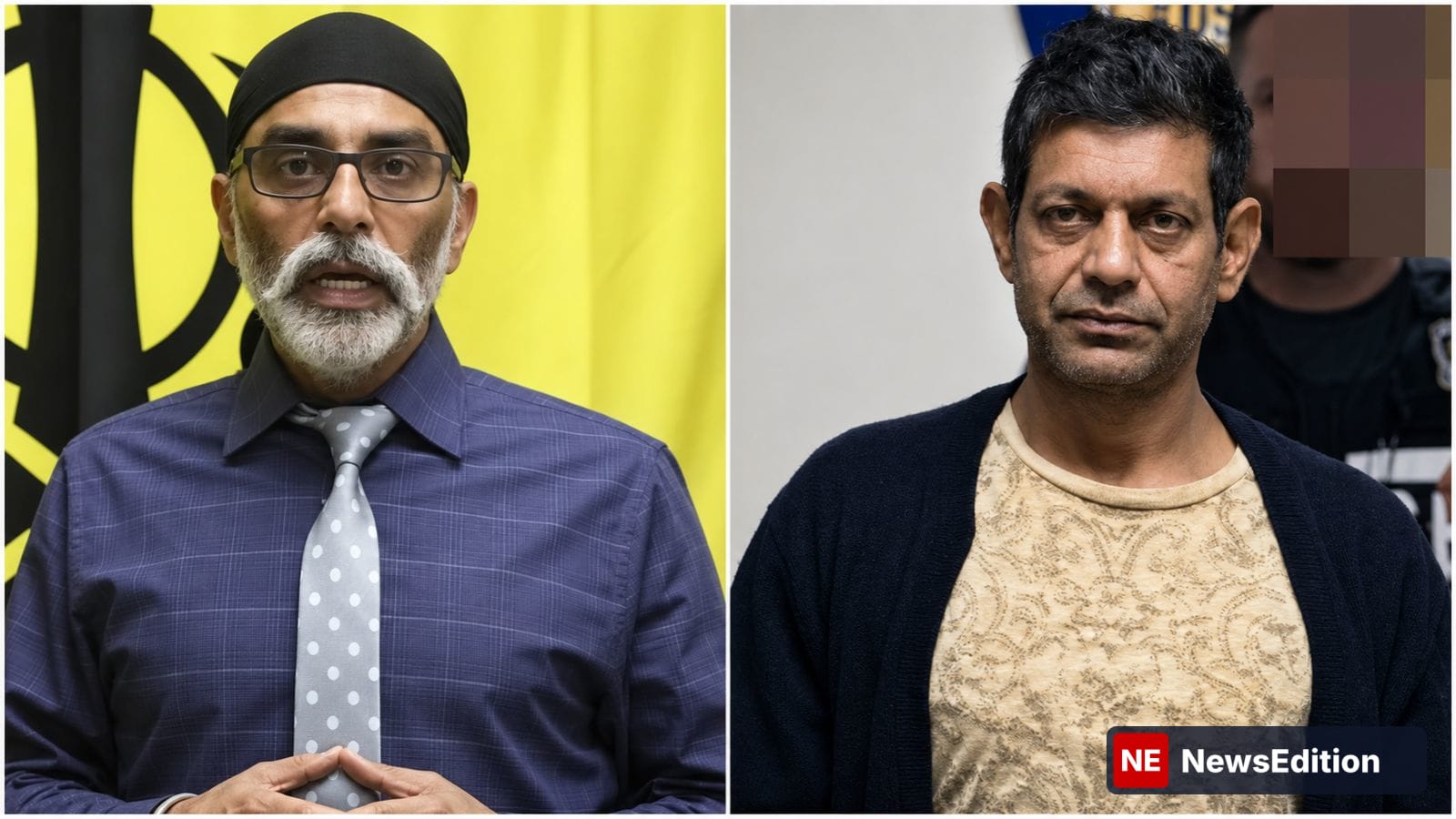
Nikhil Gupta, a 55-year-old Indian national, has been sentenced to 235 months in a US federal prison after admitting to his part in an attempt to arrange the killing of Khalistani separatist Gurpatwant Singh Pannun in New York, according to The Times of India. Judge Victor Marrero of the Southern District of New York handed down the sentence on Friday, following an 80-minute hearing reported by The Indian Express.
Gupta confessed earlier this year to three separate offences: hiring a person to commit murder, working with others to plan such a killing, and participating in a scheme to launder money connected to the crime. The prison term he received is just above 19 and a half years, which is the lowest end of the sentencing guideline range that extended up to 293 months.
Arguments in Court and Statements from Both Sides
In the sentencing hearing, both the intended target and the defendant were given the chance to speak. Pannun, who was identified as the victim in the case, told the court he had been unable to continue his legal work for over 1,200 days since learning about the threat to his life, as reported by The Indian Express.
Gupta addressed the court briefly, expressing regret for his involvement. His lawyers did not dispute the gravity of what happened. They told the court that Gupta had agreed to find someone to carry out a killing, and that this justified a prison sentence. However, his defence team asked the judge to give him a lighter punishment—specifically, 144 months in prison and an additional three years of supervised release afterwards. They argued that Gupta had never been convicted of a crime before and was dealing with alcohol problems that were not treated at the time of the incident. According to their statements, Gupta had become estranged from his family at the start of 2023 and began drinking almost every night.
How the Plot Was Discovered and Public Reaction
The Times of India reported that Gupta became involved in the plan under the guidance of an individual referred to as Yadav. He believed he was dealing with a criminal associate who could help him find a contract killer to attack Pannun in New York City. The reports do not provide further details about Yadav’s identity or the methods used by law enforcement to uncover the plot.
The case drew public attention, especially outside the New York courthouse. Supporters of Pannun gathered before the sentencing, carrying effigies of Gupta and others, as described by The Indian Express. Inside the court, the judge allowed Pannun to speak as a “victim-witness” for 20 minutes. Gupta’s lawyer, Isabelle A Kirshner, noted that US law permits both defendants and victims to address the judge during sentencing.
Legal Process, Defence Strategy, and What’s Next
Gupta’s legal team pointed out that they joined the case after he had already admitted guilt, and that they had a large amount of evidence to review. They asked for more time to prepare, but the sentencing went ahead as planned. The Indian Express quoted Kirshner explaining that both sides have the right to speak at these hearings.
With the sentence now delivered, Gupta will serve his term in a US federal facility. The reports do not specify whether he or his lawyers plan to appeal the sentence or pursue any further legal avenues. Pannun, meanwhile, remains unable to return to his legal practice due to ongoing safety concerns. No further details were given about the possibility of future investigations or the impact of the case on broader relations between India and the US. The next developments will depend on any actions taken by Gupta’s legal team or US authorities.
Comments (0)
Be the first to comment!