
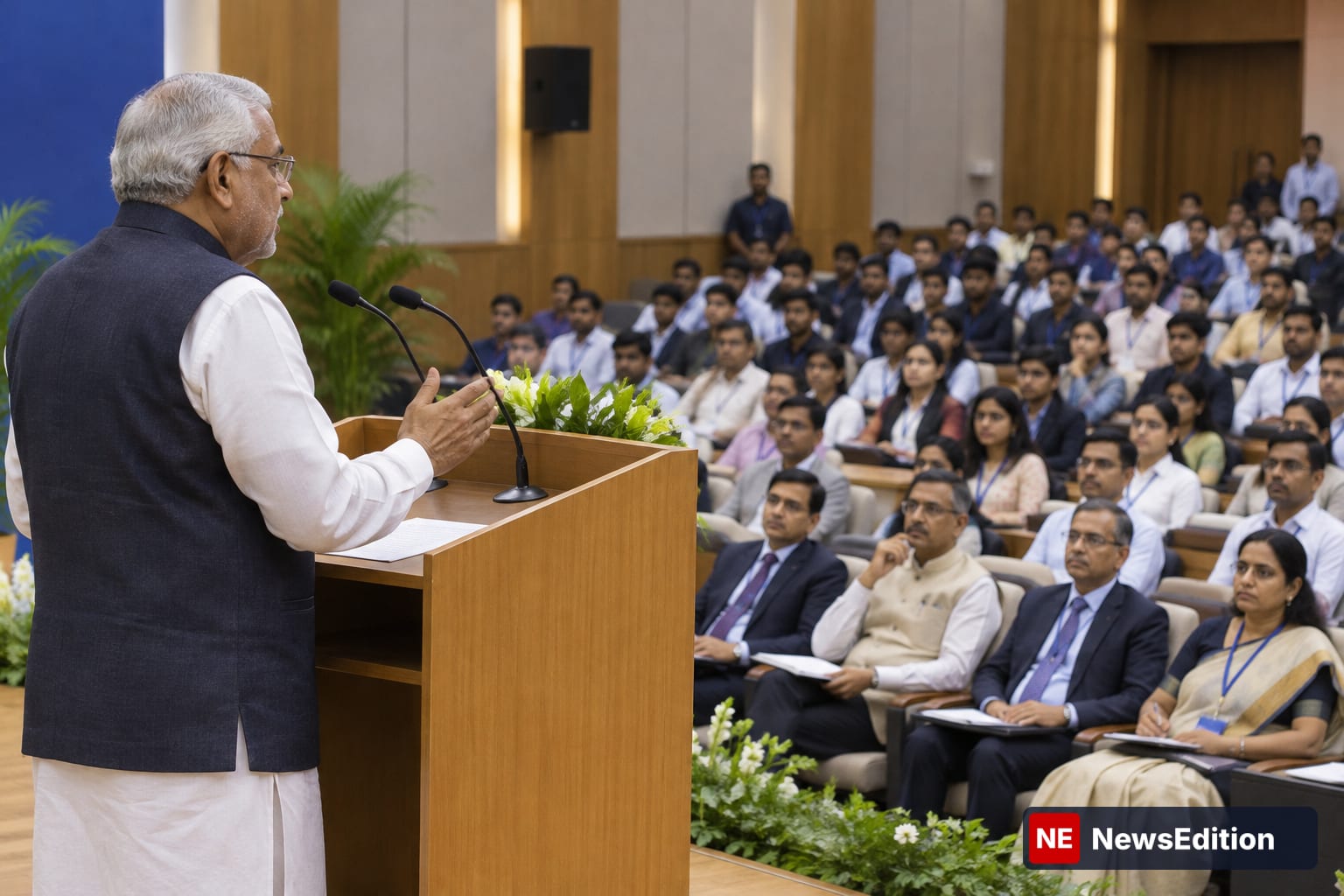
P K Mishra, Principal Secretary to Prime Minister Narendra Modi, has stressed that ethical decision-making is central to decisive leadership and directly influences how citizens experience government. Addressing a gathering at NITI Aayog’s first national workshop in a series on ‘Leadership as Mission’ on November 17, Mishra shared his views on the subject, according to The Indian Express.
This event, which launched a set of five planned national workshops, is dedicated to exploring real-life leadership cases and collecting material for the training of civil servants and students in India. Mishra reflected on India’s response to events like the 2001 Kutch earthquake, the COVID-19 crisis, the country’s advancements in space, and the Lakhpati Didi programme, using these examples to illustrate how leadership that acts with resolve and a sense of mission can have a substantial impact on society.
How ethical leadership shapes public welfare
Mishra’s remarks focused on the idea that acting quickly is not enough—leaders must also ensure their choices are grounded in values that put citizens’ interests first. He explained that strong leadership should be based on honesty, impartiality, and a commitment to serving the public good. Without these ethical considerations, even the fastest decisions may fail to serve people fairly or well.
He noted that, during emergencies such as the COVID-19 pandemic, prompt and well-communicated action led to better outcomes and helped build the public’s confidence in the authorities. Mishra’s perspective is that leaders must weigh the consequences of their actions for all groups, especially those who are most vulnerable, and be prepared to take responsibility for the outcomes.
According to The Indian Express, the quality of government services—how accessible, respectful, and trustworthy they feel to ordinary people—depends significantly on whether officials act with these ethical foundations. If leaders ignore these values, decisions made in haste or without proper consideration can end up being unfair or damaging, and can reduce people’s faith in government institutions.
The report points out that many Indians have long faced obstacles such as slow service and unclear rules when dealing with government offices. Mishra called for officials to focus on setting clear priorities, making procedures simpler, and acting without unnecessary delay to improve the delivery of public services. The Indian Express also notes that citizens increasingly want their voices heard, expect decisions to come without excessive waiting, and desire respectful treatment when interacting with officials.
Key qualities of ethical and decisive leadership
The Indian Express article highlights that certain values are vital for leaders who wish to make a positive difference. These include being quick to respond to people’s needs, being answerable for their decisions, and showing genuine understanding for those affected by their choices. Responsiveness means that government bodies act swiftly and effectively when people reach out for help. Accountability requires that officials explain why they made the decisions they did and accept the results, whether positive or negative. Empathy involves considering the situations and feelings of those impacted by leadership choices.
Other important qualities mentioned are reliability—keeping promises and following through on commitments—along with setting ambitious goals for improving the public’s well-being, and a willingness to keep learning and adapting based on new information and feedback. The article suggests that when leaders act consistently and fairly, it helps build trust between citizens and the state.
The report also describes how clearly defining roles and goals, along with regular supervision, helps make administration more effective. When frontline staff are given the resources and authority they need, they are more likely to meet people’s expectations and earn their confidence. The example of Mahatma Gandhi staying in Calcutta during communal unrest in 1947, choosing to stand with those suffering, is cited as a model of leadership driven by moral conviction and care for the public.
Analysis: what the emphasis on decisive leadership ethics means
- The focus on decisive leadership ethics underlines that speed alone is not enough—ethical standards must guide every major decision if leaders want to gain and keep the trust of the people they serve.
- The stress on qualities like empathy and accountability points to an expectation that leaders will not ignore the concerns of smaller or more vulnerable groups, especially when urgent action is required.
- The article does not detail any specific systems or checks to guarantee that these values are followed in all cases, nor does it explain how these ethical ideas are put into practice at every level of government.
What’s next for leadership development in governance
The November 17 workshop is the first of five national events planned to gather leadership experiences and create teaching materials for civil service and academic institutions. The following workshops will continue this effort, aiming to strengthen ethical, effective leadership across India’s public sector.
Comments (0)
Be the first to comment!