
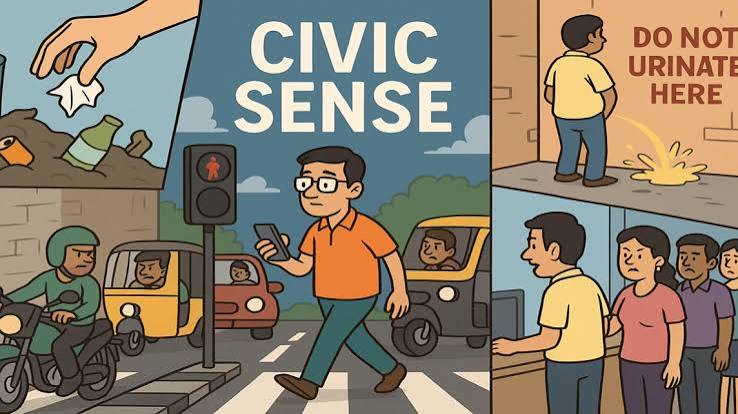
India is witnessing a growing concern regarding the behavior and conduct of its leaders. The actions of those in power often set the tone for societal norms, and when leaders exhibit a sense of entitlement, it can have cascading effects on public behavior and civic responsibility.
The Role of Leadership in Civic Culture
Leadership is not just about governance; it encompasses the moral and ethical standards that those in power set for society. Leaders are expected to inspire and guide the public towards positive civic engagement. However, when they display a lack of civic sense, it sends a message that such behavior is acceptable.
Recent events have showcased instances where leaders have acted entitled, disregarding the rules and standards expected of citizens. This behavior undermines the fabric of civic responsibility, leading to a society where rules are viewed as optional, particularly for those in positions of authority.
Examples of Entitled Behavior
Several high-profile incidents have raised eyebrows regarding the conduct of politicians and public figures. From violating traffic rules to misusing public resources, the actions of these leaders have sparked outrage and debate among citizens. Such behavior not only erodes public trust but also sets a poor example for the youth and upcoming generations.
Moreover, these incidents often overshadow the positive contributions that some leaders make. However, the negative impact of entitled behavior can often outweigh these contributions, creating a narrative that is hard to shift.
Consequences for Society
The repercussions of entitled behavior among leaders extend beyond mere public image. It can lead to a decline in civic engagement as citizens may feel disillusioned and reluctant to participate in community initiatives. When leaders fail to uphold civic values, it can create an atmosphere of apathy where individuals feel that their actions do not matter.
Furthermore, this sense of entitlement can also foster corruption and unethical practices within governance. If leaders believe they are above the law, it can lead to a culture where accountability is diminished, and citizens become increasingly frustrated with the political system.
The Path Forward: Setting a Better Example
To combat this issue, it is crucial for leaders to acknowledge their responsibilities and the impact of their actions. Civic education should be emphasized among public officials, highlighting the importance of leading by example. Initiatives that promote transparency, accountability, and community involvement can help shift the narrative and foster a culture of responsibility.
Furthermore, citizens must also play a role in holding their leaders accountable. Public pressure, through activism and constructive criticism, can encourage leaders to reflect on their behaviors and make necessary changes. Social media has become a powerful tool in this regard, allowing citizens to voice their concerns and demand better conduct from their representatives.
Comments (0)
Be the first to comment!