
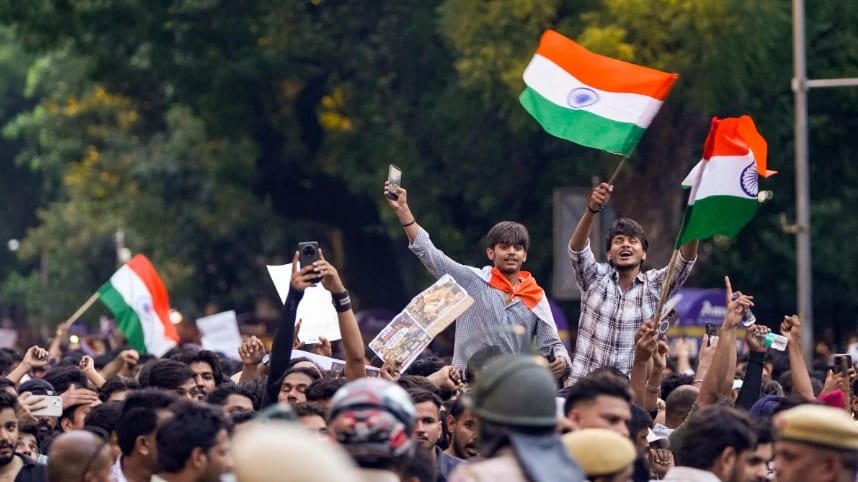
In the vibrant and complex world of Indian politics, attire often speaks louder than words. The sartorial choices of politicians in Delhi are not merely a matter of personal preference; they reflect cultural nuances, political allegiance, and public perception. While policy decisions and political ideologies are pivotal, the way politicians present themselves plays a crucial role in shaping their image and influence.
The Significance of Attire in Politics
Clothing in the political arena serves multiple purposes. It can convey authority, approachability, and even ideological alignment. For politicians, the choice of clothing can be viewed as an extension of their branding. A well-tailored suit might symbolize professionalism and competence, while traditional attire may resonate with cultural roots and connect with the electorate on a deeper level.
In a diverse nation like India, the significance of attire is magnified. Politicians often navigate a labyrinth of regional identities and cultural expectations, making it essential for them to be attuned to the dress codes that resonate with their constituents. This unspoken dress code can vary significantly based on the political climate, regional traditions, and the current socio-economic landscape.
Traditional vs. Modern Attire
Delhi's political scene is a fascinating mix of modern and traditional clothing styles. For instance, leaders from the Bharatiya Janata Party (BJP) often embrace traditional Indian wear like kurtas and dhotis during public appearances, especially in regions where such attire is culturally significant. This choice reinforces their connection to Indian heritage and appeals to the nationalist sentiments of their supporters.
On the other hand, politicians from more urban-centric parties, like the Indian National Congress, may opt for Western-style suits, particularly in formal settings. This contrast reflects not only personal style but also the demographic they aim to attract. Young, urban voters might respond positively to leaders who dress in a contemporary manner, seeing them as relatable and modern.
Impact of Social Media on Political Attire
The rise of social media has added a new dimension to the dress code in politics. Politicians are now more visible than ever, and their fashion choices are subject to public scrutiny. A single photograph can go viral, leading to discussions that go beyond policy to the fabric that politicians wear. For example, a politician's choice of a particular brand or style can influence public perception, either positively or negatively.
Moreover, social media platforms provide a space for politicians to showcase their attire, often strategically. Posts featuring them in traditional outfits during festivals or in formal suits during international visits are crafted not just to communicate a message but to build a personal brand that resonates with their base. The public's response to these sartorial choices can lead to either a boost in popularity or a backlash depending on the context and execution.
Read Also: https://newsedition.in/article/fcra-amendment-bill-2026-jpc-opposition-protest
Gender and Attire in Politics
The dress code in politics is not only influenced by the cultural context but also by gender. Female politicians in India often face a different set of expectations regarding attire. There can be an implicit pressure to balance professionalism with femininity. Women may find themselves navigating a landscape where their clothing choices can be interpreted in multiple ways — from being seen as authoritative to facing criticism for being too extravagant or not professional enough.
Attire for women politicians can include sarees, suits, or more contemporary dresses, often reflecting their personal style while also adhering to societal norms. The challenge lies in making a statement without straying too far from the expectations of their role. Female politicians like Mamata Banerjee and Sonia Gandhi have carved their niches, using their clothing choices to reflect their political identity while resonating with the electorate.
Regional Variations in Political Attire
India's vast cultural diversity means that political attire can vary dramatically from one region to another. In states like Punjab, political leaders often don turbans and traditional Punjabi suits, which resonate strongly with local sentiments. In contrast, southern states may see leaders dressed in lungis or traditional silk sarees, reflecting local customs and practices.
This adaptation of attire to regional standards serves to bridge the gap between politicians and their constituents. By dressing in a manner that aligns with local customs, politicians can foster a sense of familiarity and connection, which is critical in a nation where regional identities often play a vital role in political allegiance.
Conclusion
The dress code in Delhi's political scene is a multifaceted topic that goes beyond mere clothing. It encompasses cultural identity, political branding, and social expectations. As politicians navigate the complex interplay of tradition and modernity, their attire becomes a significant part of their political narrative.
In an era marked by rapid change and increasing visibility, understanding the unwritten rules of attire in politics is essential not only for politicians but also for voters. As the political landscape continues to evolve, so too will the dress codes that define it, reflecting the ongoing dialogue between culture, identity, and governance.
Comments (0)
Be the first to comment!