
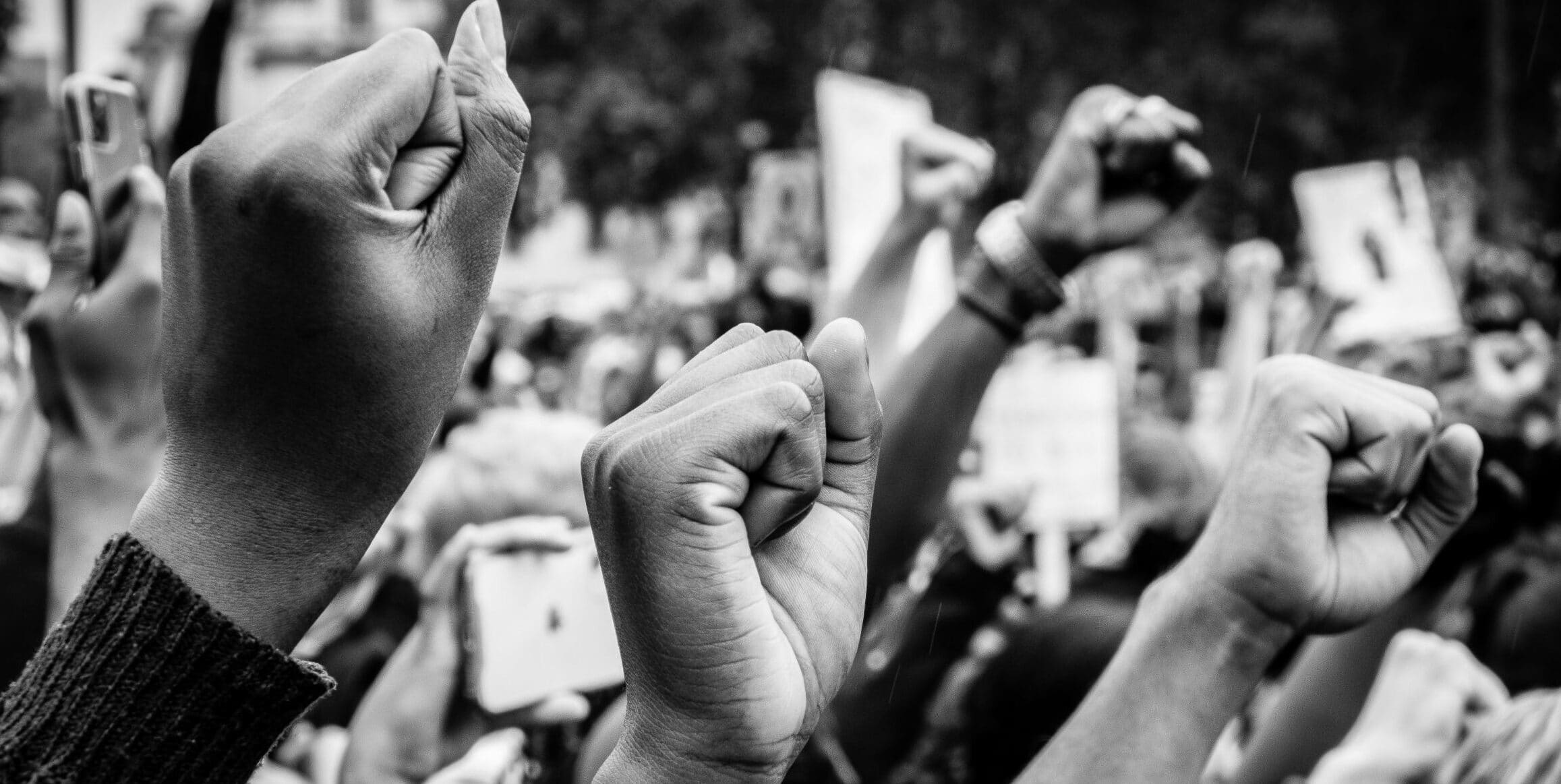
The interplay between political demography and democracy is a critical area of study that influences governance and electoral dynamics across the globe. As societies evolve, so too do the demographics that underpin political systems, leading to significant implications for democratic processes.
What is Political Demography?
Political demography refers to the statistical study of populations in relation to political processes. It encompasses various factors such as age, race, ethnicity, migration patterns, and fertility rates, all of which can heavily impact voting behavior, party affiliation, and overall political engagement.
Understanding political demography is essential for analyzing how demographic changes can influence political power dynamics. For instance, an increase in a particular demographic group can shift the political landscape, leading to changes in policy priorities and election outcomes.
The Role of Age and Generation
Age is one of the most significant demographic factors affecting political behavior. Younger voters tend to have different priorities compared to older generations. Issues such as climate change, education, and social justice resonate more with younger voters, while older generations may prioritize economic stability and healthcare.
This generational divide can lead to tensions in political discourse, especially during elections. Political parties often strategize their campaigns to appeal to specific age groups, attempting to mobilize younger voters while addressing the concerns of older constituents.
Ethnicity and Political Identity
Ethnic diversity within a population can also shape political landscapes. In multicultural societies, various ethnic groups may have distinct political preferences based on their unique experiences and historical contexts. For example, minority groups may advocate for policies that address equity and representation.
Political parties may respond by forming coalitions or developing platforms that resonate with these diverse communities. However, this can also lead to ethnic tensions and polarization if not managed carefully.
Migration Patterns and Their Impact
Migration is another critical factor influencing political demography. As populations move across borders, they bring with them their political beliefs, cultural practices, and social norms. This influx can enrich a nation’s political discourse but can also lead to friction as established populations react to new arrivals.
Countries experiencing high levels of immigration may see shifts in political sentiment, especially regarding policies related to immigration, labor, and social services. Political leaders must navigate these changes delicately to foster unity and inclusivity.
Fertility Rates and Future Projections
Fertility rates play a significant role in shaping a nation’s demographic profile over time. Countries with high fertility rates may experience a youthful population, leading to a potential surge in the electorate in the coming decades. Conversely, nations with declining fertility rates may face an aging population, posing challenges for sustaining economic growth and ensuring adequate support for the elderly.
Demographic projections can aid policymakers in preparing for future electoral shifts, ensuring that resources and policies are aligned with the needs of changing populations.
Political Engagement and Voting Behavior
Political engagement varies significantly across different demographic groups. Factors such as socio-economic status, education, and community involvement can affect how individuals participate in the political process. For example, those with higher educational attainment are generally more likely to vote and engage in political discussions.
Addressing barriers to political participation for underrepresented groups is crucial for the health of democracy. Initiatives aimed at increasing voter registration and turnout among minorities, youth, and economically disadvantaged populations can enhance democratic representation.
Shifts in Party Dynamics
Political parties must adapt to changing demographics to remain relevant. As demographics shift, parties may realign their platforms to appeal to emerging voter bases. This can lead to the rise of new political movements or parties that better represent the interests of these demographic groups.
In some cases, established parties may face challenges in maintaining their traditional support base, leading to electoral losses. Observing these shifts can provide insight into the evolving nature of political landscapes.
The Global Perspective
Political demography is not just a national issue; it has global implications. Countries worldwide are experiencing demographic transitions that are reshaping their political environments. Understanding these trends is essential for international relations and global governance.
For instance, demographic changes in one nation can influence migration patterns and political stability in neighboring countries. Global issues such as climate change, economic inequality, and health crises are also interconnected with demographic factors, highlighting the need for collaborative approaches to governance.
The Future of Democracy
The future of democracy will undoubtedly be shaped by the evolving landscape of political demography. As populations continue to change, so too will the expectations and demands of citizens. Policymakers, political parties, and civil society must adapt to these changes to ensure that democracy remains robust and responsive to the needs of all constituents.
Understanding political demography is crucial for fostering an inclusive democratic process that reflects the diverse voices within society. As we move forward, embracing demographic diversity will be key to strengthening democratic institutions and processes.
Comments (0)
Be the first to comment!