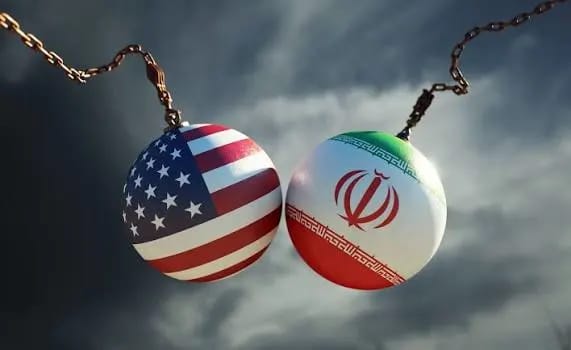
New Delhi [India]: The fragile ceasefire between the United States and Iran is under severe pressure after a fresh wave of military action and competing claims over attacks on commercial shipping in the Strait of Hormuz reignited tensions between the two adversaries.
The immediate trigger for the latest escalation was a series of attacks on three merchant vessels transiting the Strait of Hormuz, one of the world's most strategically significant maritime routes.
According to the U.S. Central Command (CENTCOM), the vessels targeted were the Marshall Islands-flagged Al-Rakayat, the Saudi Arabia-flagged Wedian, and the Liberian-flagged Cyprus Prosperity.
Washington has directly blamed Iranian forces for the attacks, describing them as "unwarranted aggression" that endangered civilian maritime traffic and violated the principle of freedom of navigation.
READ: West Asia Ceasefire Unravels as U.S., Iran Exchange Fresh Strikes
US officials argue that the incidents breached the ceasefire understanding reached after the recent conflict, as both sides had agreed to avoid actions that could destabilize the region or threaten international commerce.
On that basis, the United States launched retaliatory military operations, with CENTCOM saying American forces struck more than 80 Iranian military targets. The U.S. maintains the strikes were a proportionate response aimed at protecting international shipping and imposing costs on Iran.
Tehran, however, has rejected Washington's version of events. Iran has denied responsibility for the alleged attacks on the commercial vessels, leaving one of the central claims behind the crisis disputed.
Iran's Deputy Foreign Minister, Qasem Gharibabadi, accused the United States of violating the ceasefire through both its military strikes and the decision to reinstate restrictions on Iranian oil exports.
READ: Why are protests erupting in PoJK? Understanding JAAC's 48-hour ultimatum
Tehran argues that Washington's military and economic pressure—not Iranian actions—has undermined the truce.
Iran has also warned that it will take what it calls "decisive action" to defend its national interests, vowing a crushing response to the U.S. strikes.
The renewed confrontation has heightened concerns over the security of the Strait of Hormuz, through which a significant share of the world's oil and liquefied natural gas exports passes.
Any disruption to shipping in the waterway has immediate consequences for global energy markets, international trade and oil-importing countries, including India.
READ: India, Indonesia to discuss full spectrum of bilateral ties today
With both Washington and Tehran accusing each other of violating the ceasefire and adopting increasingly hardline positions, fears are growing that the agreement may not survive, raising the risk of another prolonged phase of conflict in West Asia.
Ends.
Comments (0)
Be the first to comment!