
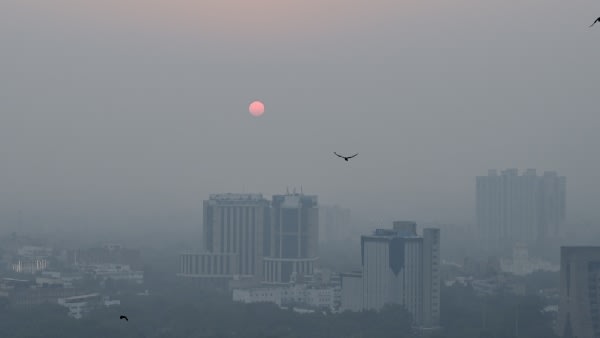
As the festival of lights approached, Delhi faced a severe air quality crisis, marking the worst conditions on Diwali eve in the last ten years. The city, known for its vibrant celebrations, found itself shrouded in hazardous pollution levels, raising concerns among residents and health officials alike.
Air Quality Index Reaches Critical Levels
On the eve of Diwali, the Air Quality Index (AQI) in several parts of Delhi soared to alarming figures, with readings exceeding 400 in various locations. An AQI above 300 is classified as 'very poor,' while levels exceeding 400 fall into the 'severe' category, which can have adverse health effects on the general population.
The Central Pollution Control Board (CPCB) reported that specific areas of the city, including Anand Vihar and ITO, recorded AQI levels upwards of 450, reflecting a significant drop in air quality. This sharp decline has been attributed to factors including the burning of firecrackers, vehicular emissions, and stagnant weather conditions.
Contributing Factors to Pollution
Firecracker usage during Diwali has traditionally contributed to spikes in air pollution, and this year has proven no different. Despite government efforts to regulate firecracker sales and encourage eco-friendly alternatives, many residents engaged in celebratory practices that further compromised air quality.
Additionally, the ongoing construction projects and industrial emissions in and around Delhi have compounded the problem. The combination of these factors has created a toxic atmosphere, leading to health advisories being issued for vulnerable populations, including children and the elderly.
Health Implications and Government Response
The hazardous air quality poses significant health risks, particularly respiratory issues, cardiovascular diseases, and aggravated conditions for those with pre-existing health concerns. Medical experts have urged residents to limit outdoor activities, especially during peak pollution hours.
In response to the deteriorating air quality, the Delhi government has implemented several measures. These include augmenting the monitoring of pollution levels, increasing the frequency of public health advisories, and ramping up awareness campaigns about the health risks associated with poor air quality.
Public Reaction and Awareness
Public sentiment regarding the air quality crisis has been one of frustration and concern. Many residents expressed their disappointment over the recurring issue of pollution in the capital, particularly during festivals when festivities should ideally be enjoyed without health concerns.
Social media platforms have seen an influx of discussions about the air quality, with citizens calling for stricter regulations on firecracker usage and enhanced measures for pollution control. An increased awareness of environmental issues has emerged, with many advocating for a shift towards more sustainable celebration practices.
Looking Ahead: Future Measures
As Delhi moves forward from this year's Diwali celebrations, the focus will shift toward long-term solutions to combat air pollution. Experts emphasize the need for comprehensive policies that address the root causes of pollution, including stricter emissions regulations, improved public transportation, and increased green spaces in urban areas.
Moreover, fostering a culture of environmental responsibility among citizens can play a pivotal role in changing behaviors related to pollution. Initiatives promoting the use of eco-friendly alternatives during festivals could help mitigate future air quality crises.
Comments (0)
Be the first to comment!