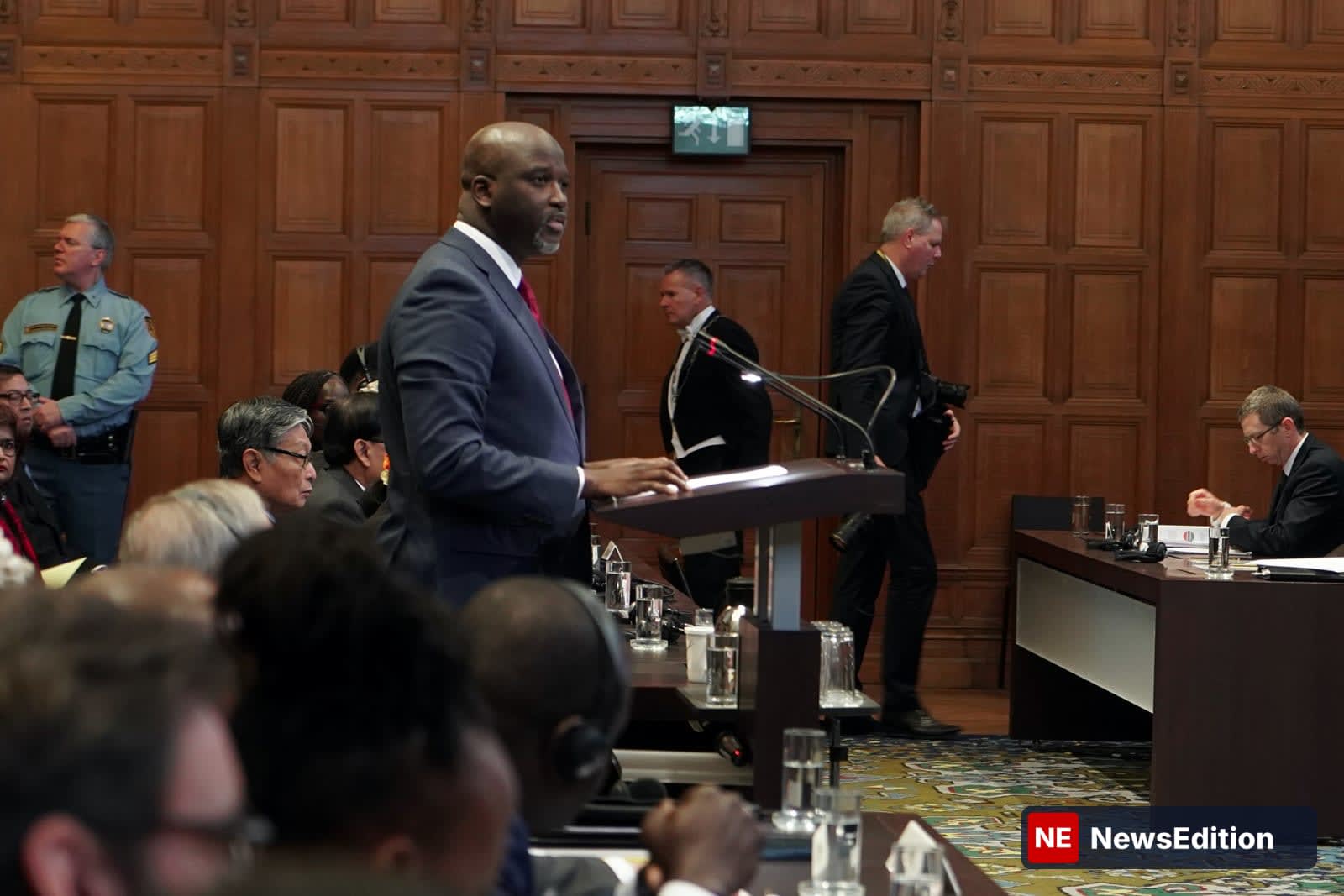
France has announced it will bring the Rohingya genocide case to the United Nations after Myanmar rejected the recent International Court of Justice (ICJ) verdict that found the country guilty of genocide against its Rohingya minority. This step could increase international attention and potentially put more pressure on Myanmar and its allies, according to The Indian Express.
The ICJ, the world’s top judicial body, issued its groundbreaking ruling regarding Myanmar’s military campaign against the Rohingya during 2016-17. This was the first time a state has been found guilty of both committing genocide and violating the 1948 Genocide Convention. The ICJ’s decision followed a case brought by The Gambia, which argued that Myanmar’s military – during so-called “clearance operations” in northern Rakhine State in 2017 – committed acts including mass killings and sexual violence, forcing over 700,000 Rohingya to flee to neighbouring Bangladesh.
The ICJ determined that the evidence showed “genocidal intent is the only reasonable inference that can be drawn from the evidence”. This legal threshold is significant, as proving genocide under international law requires prosecutors to demonstrate "specific intent"—known as dolus specialis—to destroy a group in whole or in part. In comparison, a previous ICJ ruling in 2007 found Serbia failed to prevent genocide in Srebrenica but did not commit it directly.
Despite the historic nature of the ICJ’s verdict, Myanmar’s government has rejected the ruling outright. France, in response to Myanmar’s position, stated its intention to escalate the matter to the United Nations. The Indian Express reports that only the UN Security Council has the authority to enforce ICJ rulings. However, the Security Council’s ability to act is limited, as Russia and China – both of which have supported Myanmar’s junta with arms and diplomatic backing – hold veto powers.
On the day of the ICJ verdict, the United States, Russia, and China jointly declared that the United Nations required “reform” and warned that the “International Criminal Court and other similar bodies must not abuse their jurisdiction.” This statement highlighted the international divisions that could limit the practical impact of the ICJ’s judgment.
What the ICJ verdict means for Rohingya refugees
The Rohingya, a Muslim minority group in Myanmar, have long faced discrimination, notably through a 1982 citizenship law that rendered most of them stateless. The 2017 military crackdown in Rakhine State resulted in widespread atrocities and the displacement of over 700,000 people to Bangladesh. Currently, around 2 million Rohingya live in Bangladesh, where authorities have not formally recognised them as refugees and restrict their movement and employment. According to The Indian Express, aid for these communities is shrinking and conditions in the camps are worsening.
Other countries hosting Rohingya refugees have also changed their policies. Malaysia has begun sending Rohingya victims back to Myanmar and has announced plans to resettle 10,000 Rohingya in Turkey. India has carried out expulsions of Rohingya as well. These developments point to a trend of decreasing international willingness to host displaced Rohingya, despite the ICJ’s ruling.
The Indian Express notes that, for the Rohingya, the ICJ verdict may represent only a moral victory unless there is further international action. Pressure from countries and institutions is needed to ensure Myanmar complies with the court’s orders regarding internal investigations, restitution, and compensation for victims.
Analysis: potential impact and obstacles of the Rohingya genocide verdict
- This ICJ verdict marks the first time a nation has been found guilty of genocide by the court, which could set a precedent for future cases, such as the ongoing proceedings against Israel, but the practical consequences remain uncertain given enforcement challenges.
- The reports suggest that international enforcement is unlikely, as the UN Security Council’s authority is checked by veto powers held by Russia and China, both allies of Myanmar’s military government.
- While France’s announcement signals increased diplomatic pressure, the reports do not indicate any concrete changes in the situation for Rohingya refugees, whose living conditions continue to deteriorate despite the court’s decision.
What happens next for the Rohingya genocide case
France’s move to bring the Rohingya genocide verdict before the United Nations is expected to raise the issue at a higher diplomatic level. The reports do not specify when the UN will consider the matter or what specific actions may follow.
Comments (0)
Be the first to comment!