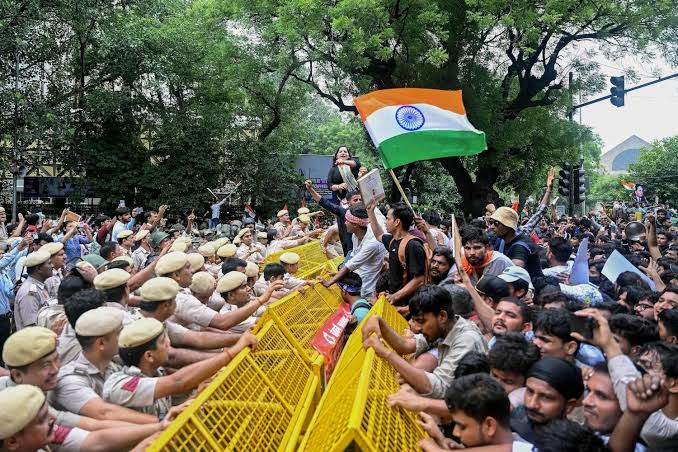
In recent months, India has witnessed the emergence of a grassroots movement dubbed the 'Cockroach' movement, which is poised to challenge the existing political dynamics under Prime Minister Narendra Modi's Bharatiya Janata Party (BJP). This movement, characterized by its unconventional name, signals a growing dissatisfaction among various segments of society, particularly the youth, regarding the government’s policies and actions.
Understanding the 'Cockroach' Movement
The 'Cockroach' movement emerged as a metaphorical representation of resilience and persistence, akin to the insect it is named after. Advocates of the movement argue that despite being marginalized and overlooked by mainstream political discourse, their voices and concerns are tenacious and cannot be easily eradicated. This metaphor resonates particularly with the younger generation, who feel disconnected from traditional political structures.
While the movement does not have a singular leadership or a formal organization, it has gained traction through social media platforms, where activists share narratives and grievances related to various socioeconomic issues, including unemployment, rising inflation, and the perceived erosion of democratic values.
Impact on BJP's Political Landscape
The emergence of the 'Cockroach' movement presents a significant challenge to the BJP, especially as the party prepares for upcoming elections. Analysts suggest that the movement could compel the BJP to reassess its strategies and policies to address the concerns raised by these grassroots activists.
Historically, the BJP has relied on a combination of strong leadership, nationalistic rhetoric, and significant media outreach to maintain its hold on power. However, the increasing visibility of the 'Cockroach' movement indicates that the traditional methods may no longer suffice. As discontent grows among the electorate, particularly the youth, the BJP might have to adapt its approach to maintain its popularity.
Key Issues Highlighted by the Movement
The 'Cockroach' movement has brought several pressing issues to the forefront of public discourse:
Unemployment: With India's youth population soaring, the lack of adequate job opportunities has become a critical concern. Many young Indians express frustration over the government's failure to provide sustainable employment and address the skills gap in the labor market.
Inflation: Rising costs of living have led to widespread dissatisfaction. The movement highlights the struggle of ordinary citizens to cope with everyday expenses amid increasing prices of essential goods.
Democracy and Governance: Activists associated with the movement have raised alarms about what they perceive as authoritarian tendencies within the current government. Concerns about freedom of speech, press freedoms, and civil liberties have found a voice in this grassroots movement.
Responses from the Government and Political Analysts
The BJP has responded to the emergence of the 'Cockroach' movement with a combination of skepticism and attempts to dismiss its significance. Government officials have characterized the movement as a minor, fringe element that lacks substantial support. However, political analysts caution that underestimating such movements can be perilous.
Experts note that grassroots movements often serve as a barometer for public sentiment. They argue that such movements could translate into substantial electoral consequences if the ruling party fails to address the underlying issues raised by activists. The BJP's leadership may need to engage more proactively with young voters and reformulate its policies to resonate with their aspirations.
The Role of Social Media
Social media has played an instrumental role in the rise of the 'Cockroach' movement. Platforms like Twitter, Instagram, and Facebook have enabled activists to disseminate information rapidly and mobilize support. This digital landscape provides a space for young people to voice their frustrations and connect with like-minded individuals across the country.
The movement’s reliance on social media also poses a challenge for traditional media outlets and the government in controlling narratives. As information spreads quickly online, it can often lead to viral movements that challenge established political narratives.
Future of the Movement and Its Implications
As the 'Cockroach' movement continues to grow, its future will depend on its ability to maintain momentum and translate grassroots activism into tangible political outcomes. The movement's leaders and supporters are aware of the need to organize effectively and create a coherent political agenda that articulates their demands clearly.
Should the movement succeed in mobilizing significant support, it could lead to a shift in the political landscape, prompting other parties to engage with the issues raised by activists. This scenario could result in a more dynamic political environment where the concerns of ordinary citizens gain prominence on the national stage.
Conclusion
The 'Cockroach' movement represents a pivotal moment in Indian politics as it challenges the status quo and calls attention to the pressing issues facing the youth and marginalized communities. As the BJP navigates this evolving landscape, its ability to respond to the concerns of this movement may determine its political future. The movement underscores the importance of listening to and addressing the voices of the electorate, particularly in a democratic society.
Read Also:https://newsedition.in/article/fcra-amendment-bill-2026-jpc-opposition-protest
Read Also:https://newsedition.in/article/political-career-of-prashant-kishore-who-defeats-bjp-in-bankipur
Read Also:https://newsedition.in/article/why-pm-modi-saidlets-guide-the-misguided
Comments (0)
Be the first to comment!