
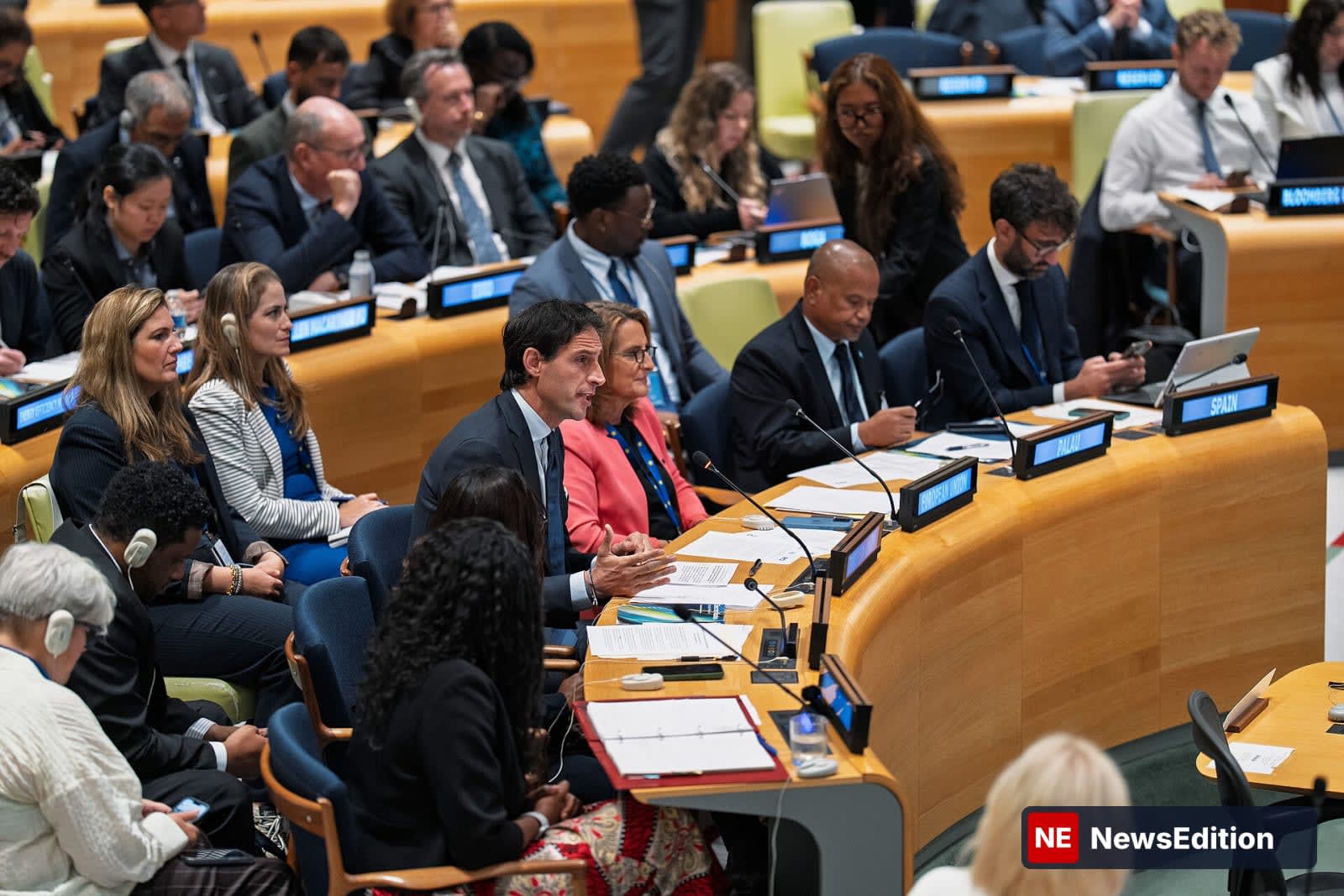
The COP31 climate deal has failed to materialise after two weeks of negotiations, leaving global efforts to address climate change in limbo and drawing strong criticism from the European Union and vulnerable countries, according to Al Jazeera and Hindustan Times. The collapse affects over a billion people in the most vulnerable nations, and signals a setback for the United Nations process after the longest-ever climate summit.
Why the COP31 climate deal failed
The United Nations climate conference, co-hosted by Turkiye and Australia, ended on Sunday without an agreement on a final text to address climate change. The draft presented by the presidents did not gain consensus, with the European Union, Pacific island nations, and the Least Developed Countries group rejecting it for being too weak. The summit, which ran overtime beyond its scheduled Friday conclusion, became the longest in UN climate negotiation history.
If the draft had been approved, it would have marked the first time that countries officially acknowledged global warming is on track to exceed the 1.5°C threshold set by the 2015 Paris Agreement. However, the final text omitted any explicit mention of fossil fuels—the main driver of climate change—and dropped a $120 billion target for adaptation finance to help poorer countries cope with climate impacts. This omission became the central point of contention.
The European Union said it could not endorse a deal that "does not even mention fossil fuels" and accused oil-producing countries of having "hijacked" the talks. The EU delegation argued that the draft moved backward on scientific ambition and did not address the scale or urgency of the climate emergency. Other nations, including the Marshall Islands and Kenya, also voiced disappointment, saying the text failed to protect the interests and security of vulnerable communities.
On the other hand, oil and gas producers such as Russia and Saudi Arabia opposed any language targeting fossil fuels. The Russian delegate warned that reducing oil and gas supplies could force a switch to dirtier fuels and worsen energy poverty, especially for the world's poorest. Saudi Arabia insisted that all solutions should remain on the table and opposed removing "concrete solutions" from consideration.
Chris Bowen, Australia's minister for climate change and energy and the head of COP31 negotiations, acknowledged the failure, saying, "Unfortunately, we were unable to reach agreement on a cover decision... And that's disappointing. Very disappointing." He highlighted that some parties had "very strong red lines" on fossil fuels and climate finance, making consensus impossible.
Murat Kurum, Turkiye's minister of environment, urbanisation and climate change, stated that no new text would be produced and that existing decisions would be implemented in the absence of consensus. "We did everything we could. You should not hurt people in the world who really expect something out of this by just being hung up on one word or phrase," he said.
What the deadlock means for vulnerable countries
The group representing the Least Developed Countries, which includes 44 nations like Bangladesh, Nepal, Tuvalu, and Kiribati, said the outcome did not address their priorities. These countries, home to more than a billion people, are among the most at risk from climate impacts despite contributing little to global emissions. The Marshall Islands delegation called the text "unacceptable" and said it was "silent" on fossil fuels, undermining their security and future.
Kenya's delegation expressed frustration that the deal did not acknowledge Africa's special needs. Meanwhile, some countries such as Canada and Fiji indicated their willingness to continue discussions on specific issues like oceans and the COP process itself. China, in contrast, said it had accepted the version of the climate deal on offer.
Analysis: divisions over fossil fuels and finance stall progress
- The reports suggest that a core reason for the deadlock was the inability to bridge divides between oil-producing nations and those demanding explicit action on fossil fuels. This highlights persistent resistance from major fossil fuel exporters to measures that could threaten their economic interests.
- The omission of a $120 billion adaptation finance target could mean that poorer and more vulnerable countries are left with less support to deal with climate change effects, deepening the divide between rich and developing nations.
- The reports do not specify what mechanisms, if any, exist to restart negotiations or update the existing decisions now that the summit has ended without a new agreement. This leaves the immediate next steps for global climate policy unclear.
What happens next after the failed COP31 climate deal
With the summit closed, the presidents have said there will be no new text and that existing decisions will be implemented in the absence of consensus. Some countries have called for continued discussions on specific topics, but no timeline or process for resuming negotiations has been announced in the reports.
Comments (0)
Be the first to comment!