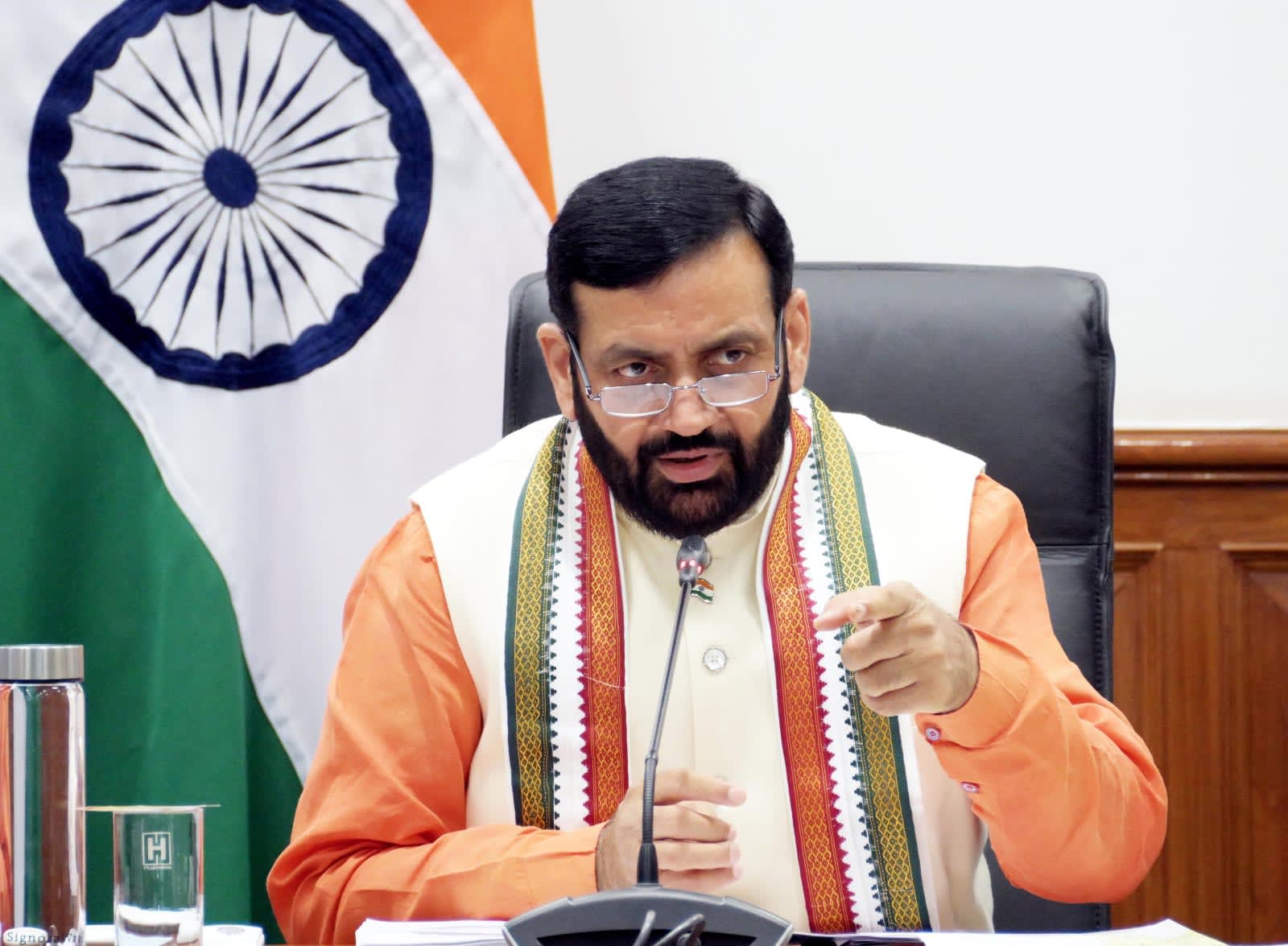
Haryana will begin shifting substantial powers and responsibilities to local governments, including oversight of water, health, and emergency services, chief minister Nayab Singh Saini announced. This major change will affect how local projects and services are delivered across the state, according to Hindustan Times.
During the closing ceremony of a national conference on local governance in Gurugram on Tuesday, Saini outlined the state's plan to gradually hand over important functions to municipal bodies and village panchayats. He indicated that this transition would unfold in stages over the next few years. According to Saini, local authorities will soon take charge of managing drinking water provision, public health systems, and fire response services—areas previously controlled at the state level.
The chief minister described local elected leaders, such as sarpanches, panches, councillors, and mayors, as essential to democracy, saying that their performance would now be tested by their ability to address community needs directly. Saini explained that while the state government provides broad direction and funding, setting priorities and ensuring projects are finished on time is the duty of the elected local representatives.
What changes for local bodies and their leaders
This policy shift will give local governments new authority over essential community services. The process, as described by Saini, will not be immediate but will gradually expand the role of local institutions in running public health, water supply, and fire safety operations. No specific deadline has been given for when each service will be fully managed by local officials.
Along with these new tasks, Saini announced a financial boost for local bodies. Currently, Haryana allocates 7% of its own tax revenue to these institutions. Under the new plan, an extra 2% of this revenue will be available as matching grants. Urban and rural local bodies can access these funds by submitting proposals for development projects. Saini emphasized that this system is designed to motivate local governments to boost their own income sources. For every rupee a local body raises independently, the state will contribute an equal amount, effectively doubling their available funds for approved projects.
Saini also shared that local leaders whose institutions succeed in raising the most money from their own sources will be recognized and honored by the state government.
Official statements and the government's position
The chief minister stated that giving more decision-making power to local governments would help them respond better to their communities' needs. Saini explained that the new matching grant program is meant to encourage self-reliance among local institutions and reward their efforts to generate more resources. He said the government will support them, but the responsibility for getting work done now rests more directly with local elected officials.
Saini also spoke about the values of service and equality at a separate event marking Guru Nanak Dev's birth anniversary on Monday evening in Bilaspur, Yamunanagar. He described Guru Nanak Dev's teachings as universal and inspiring for all sections of society.
Analysis: what Haryana's changes could mean for local governance
- The planned transfer of essential services to local hands could lead to more responsive and community-focused management, since local authorities will have greater say in day-to-day operations affecting residents.
- The matching grant system may push local bodies to find new ways to generate revenue, but the reports do not clarify how the competitiveness for grants or the process for evaluating proposals will be managed.
- No details are provided about training or support for local officials who will now be responsible for complex services, nor about monitoring or accountability measures during the transition.
What happens next for the powers to local bodies plan
The process of moving water, health, and fire services into the hands of local governments will begin in phases over the coming years. The state government has not yet released a detailed schedule or guidelines for this transition.
Comments (0)
Be the first to comment!