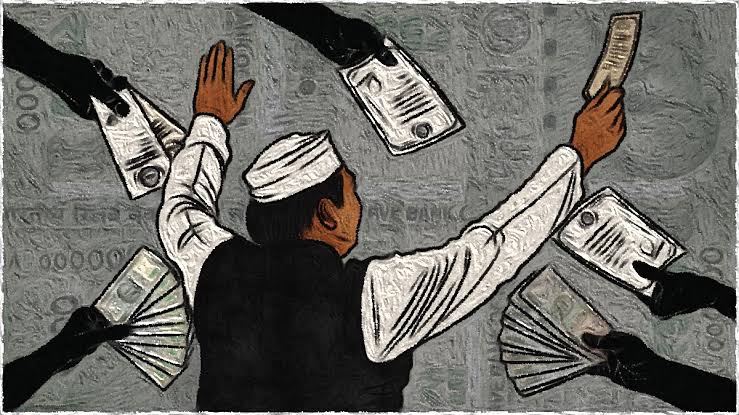
In recent times, allegations of corruption have become a significant aspect of political discourse in India. What began as a straightforward investigation into corrupt practices has transformed into a complex narrative involving political maneuvering, public sentiment, and media influence.
The Genesis of Corruption Allegations
Corruption has long plagued Indian politics, with various scandals emerging over the decades. These allegations often involve high-profile politicians and bureaucrats, leading to public outcry and demands for accountability. In many instances, investigative journalism has played a crucial role in exposing corrupt activities, shedding light on misappropriation of funds, bribery, and nepotism.
As these stories develop, they can quickly evolve from mere allegations into political tools. The media coverage surrounding these issues often amplifies the narrative, shaping public perception and influencing the political landscape.
Political Instrumentalization of Corruption Cases
Political parties and leaders have a history of leveraging corruption allegations to their advantage. They may use such incidents to undermine opponents or rally support among their base. This strategic use of corruption narratives can lead to a polarization of public opinion, where the focus shifts from the corruption itself to the political ramifications of the allegations.
For instance, when a government official is accused of corruption, their political adversaries may seize the opportunity to cast doubt on the ruling party's integrity. In such cases, the initial story of corruption morphs into a broader political narrative that can dominate headlines and influence elections.
The Role of Media in Shaping Narratives
The media plays a pivotal role in how corruption stories are framed. Investigative reports can expose wrongdoing but can also contribute to sensationalism, which may skew public perception. The choice of language, the framing of stories, and the emphasis on certain aspects can significantly affect how the public and politicians react to these allegations.
Moreover, the media's role is often complicated by its own biases and affiliations. Some media outlets may align themselves with particular political parties, leading to selective reporting that can distort the narrative surrounding corruption allegations. This can further entrench divisions within society, as audiences may engage only with news that aligns with their pre-existing beliefs.
The Impact on Public Sentiment
Public response to corruption stories can vary widely, influenced by factors such as political affiliation, socio-economic status, and regional dynamics. In some cases, corruption scandals can lead to widespread protests and demands for reform, while in others, they might be dismissed as politically motivated attacks.
For instance, a corruption case involving a popular leader may lead to a backlash against the ruling party, resulting in significant political repercussions. Conversely, if the public perceives the allegations as unsubstantiated or part of a political smear campaign, it may strengthen support for the accused party.
Recent Examples of Corruption and Politics Intertwined
Several recent incidents highlight the intricate relationship between corruption allegations and political narratives in India. High-profile cases have dominated headlines, including accusations against ministers and state officials, leading to intense debates within political circles.
Ministerial Allegations: Allegations against government ministers have often sparked significant controversy, leading to calls for resignations and inquiries.
Judicial Involvement: Some cases have escalated to the judiciary, where courts must balance legal proceedings with the political implications of corruption allegations.
Public Protests: Grassroots movements have emerged in response to corruption stories, with citizens demanding transparency and accountability from their leaders.
Long-Term Implications for Governance
The intertwining of corruption and politics has long-term implications for governance in India. Persistent allegations can erode trust in public institutions, leading to increased cynicism among citizens. When corruption becomes a pervasive narrative, it can hinder effective governance and policy implementation.
Moreover, the focus on corruption can divert attention from other pressing issues facing the country, such as economic development and social welfare. As political parties engage in a tit-for-tat battle over corruption claims, critical governance challenges may be sidelined, ultimately affecting the nation's progress.
Conclusion: Navigating the Landscape of Corruption and Politics
As India continues to grapple with corruption in its political framework, the narratives that emerge will likely remain complex and multifaceted. Understanding the interplay between corruption allegations and political dynamics is crucial for both citizens and policymakers. An informed public can better navigate the landscape of corruption and politics, demanding accountability while fostering a healthier democratic discourse.
The future of Indian politics will undoubtedly continue to be shaped by how corruption stories are told and interpreted. As the media, political parties, and citizens engage with these narratives, the potential for reform and accountability will hinge on the willingness to address corruption head-on, free from the clouds of political manipulation.
Read Also:https://newsedition.in/article/the-unwritten-dress-code-of-delhis-political-landscape
Read Also:https://newsedition.in/article/fcra-amendment-bill-2026-jpc-opposition-protest
Read Also:https://newsedition.in/article/why-pm-modi-saidlets-guide-the-misguided
Comments (0)
Be the first to comment!