
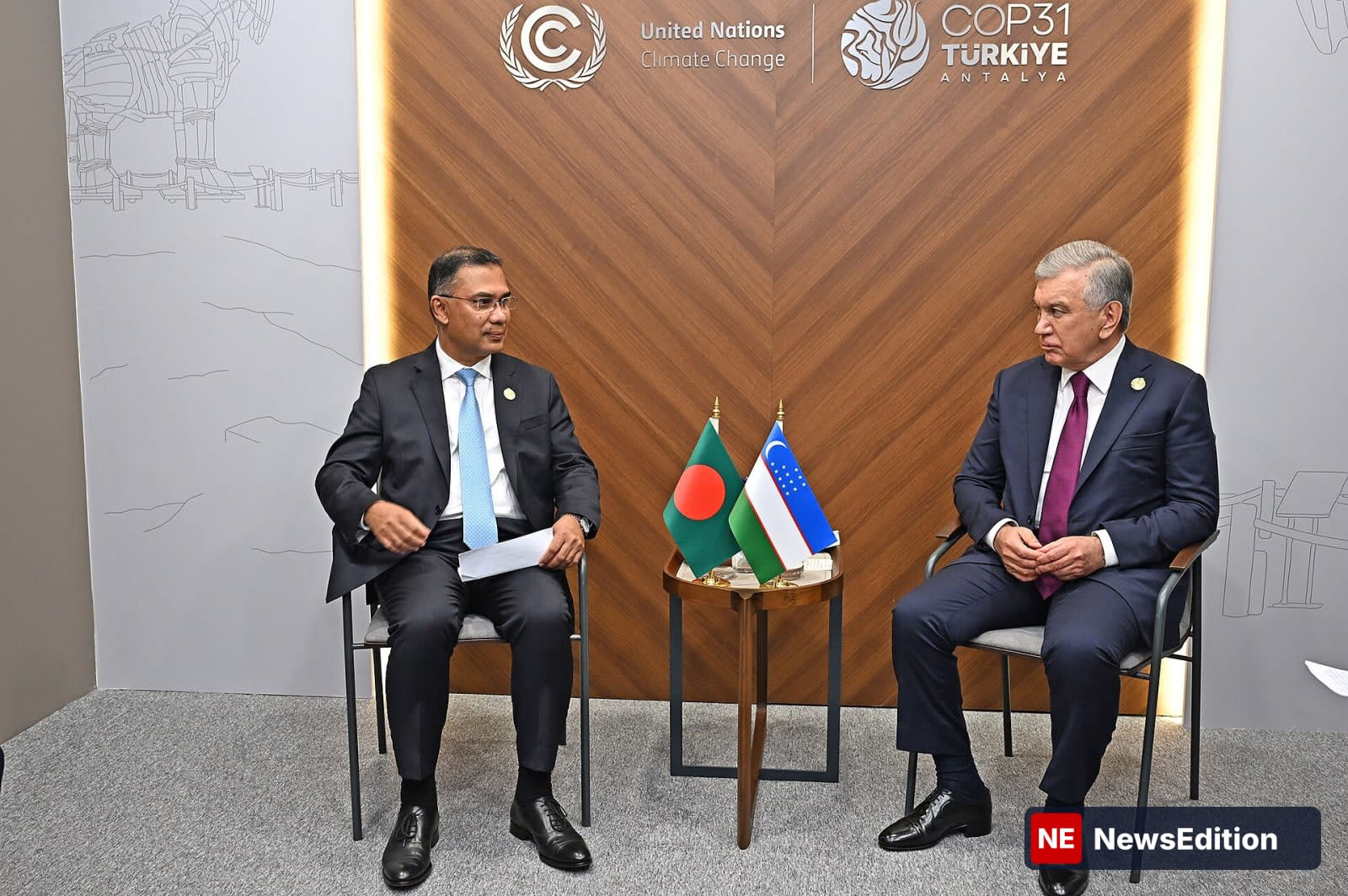
Nearly 200 countries left the COP31 climate talks in Antalya, Türkiye, on November 22 without a new agreement, after efforts to set a path away from fossil fuels and secure funds for poorer nations broke down. This failure leaves vulnerable countries at risk and puts future global climate action under new strain, according to reporting from Al Jazeera and Hindustan Times.
Delegates at COP31, the longest United Nations climate summit to date, struggled to bridge divides between oil-rich nations and those most exposed to climate change impacts. Negotiations, which began on November 9, came to a halt when a proposed final text did not include any commitment to reduce or eliminate fossil fuel use. More than 130 countries demanded that the deal acknowledge the need to move away from fossil fuels, but this was blocked by Saudi Arabia and other OPEC members. Instead, the final draft emphasised carbon capture technology—a move widely criticised by other delegates as an expensive and unreliable solution.
Chris Bowen, Australia’s climate change and energy minister, explained after the talks that the core disagreement was over whether to mention moving away from fossil fuels at all. He said, “An obvious issue is the transition away from fossil fuels, where some parties insisted that must be mentioned, other parties insisted that if it was mentioned they would veto.” The European Union, Pacific island states, and other vulnerable countries refused to accept a deal they viewed as too weak, especially since it failed to address the main causes of global warming.
Disputes over financial support for developing countries also stalled progress. Wealthy countries, facing tight budgets because of ongoing wars—such as the US-Israeli conflict with Iran and Russia’s war on Ukraine—were not willing to back major new funding pledges. Under the Paris Agreement, richer nations are expected to help less wealthy countries develop cleaner energy and cope with climate disasters, but no agreement was reached in Antalya on how to deliver this support. Back in 2025 at COP30 in Belém, Brazil, countries had called for a tripling of adaptation finance by 2035; even these earlier targets were not advanced at the latest summit.
Murat Kurum, Türkiye’s environment minister and president of COP31, brought the conference to a close by stating that no further work on a new text would be done without consensus. Simon Stiell, Executive Secretary of UN Climate Change, responded to the deadlock by promising to seek advice about possible reforms to the negotiation process, which currently requires every country’s agreement for decisions to pass. He reminded delegates that the process had “suffered setbacks before and come back stronger.”
What this means for the climate negotiations
The collapse of the talks has revived calls to change the way decisions are made at UN summits, since a small group of countries can block progress even when a majority supports stronger action. Cosima Cassel from E3G, a climate think tank, said a handful of states “set the outcome against the clear position of a large majority.” Some observers argue this gives fossil fuel producers too much power, putting the interests of vulnerable countries at risk.
Despite the setback, some experts point out that the annual COP meetings remain the only place where every country can participate equally. Meanwhile, efforts outside the main UN process are gaining ground. The Global Climate Action Agenda, also known as the Action Agenda, is attracting cities, businesses, and other groups to work voluntarily on climate solutions. In April 2026, the Santa Marta initiative brought together 57 countries to focus on a non-binding plan for moving away from fossil fuels. An advisory opinion from the International Court of Justice last year also reaffirmed that countries have legal duties to act on climate change.
Analysis: what the deadlock reveals about future climate action
- This deadlock highlights a growing rift between countries that depend on fossil fuel exports and those most threatened by climate change, making joint action more challenging.
- Delays in agreeing on new funding or even confirming old commitments could damage trust between wealthier nations and those seeking help to adapt, especially with wars cited as reasons for tight budgets.
- The reluctance to restate goals agreed at COP28, such as boosting renewables and improving energy efficiency, suggests that even existing targets may now be harder to meet.
Next steps after the Antalya summit
Diplomats will meet again at interim UNFCCC sessions, including talks in Bonn in June 2027, to continue work on unresolved issues like finance and energy transition. COP32 is set for November 8–19, 2027, in Addis Ababa, Ethiopia, with the new leadership already starting preparations and consultations with outgoing officials. Other coalitions and voluntary forums will also keep working on specific climate challenges before the next official summit.
Comments (0)
Be the first to comment!